


There’s a quiet and personal ritual I’ve fallen into every time I visit a new city: I go to a local bookstore. What started with visits to the big chains like Barnes & Noble in New York City has developed into a full-blown hunt for independently run spots across the country. On the shelves will be handwritten staff picks or chairs that invite you to hang around for an afternoon. And hang around, I do!
Over time, this habit has become more than a novelty pit stop. It’s become my favorite way to discover the soul of a place.
I believe bookstores offer something uniquely intimate: a glimpse into a city's psyche. The selection on the shelves, the tone of the community bulletin board, even the conversations overheard between regulars and staff: these are all insights into what matters to the people who live there. So let me tell you how it started.
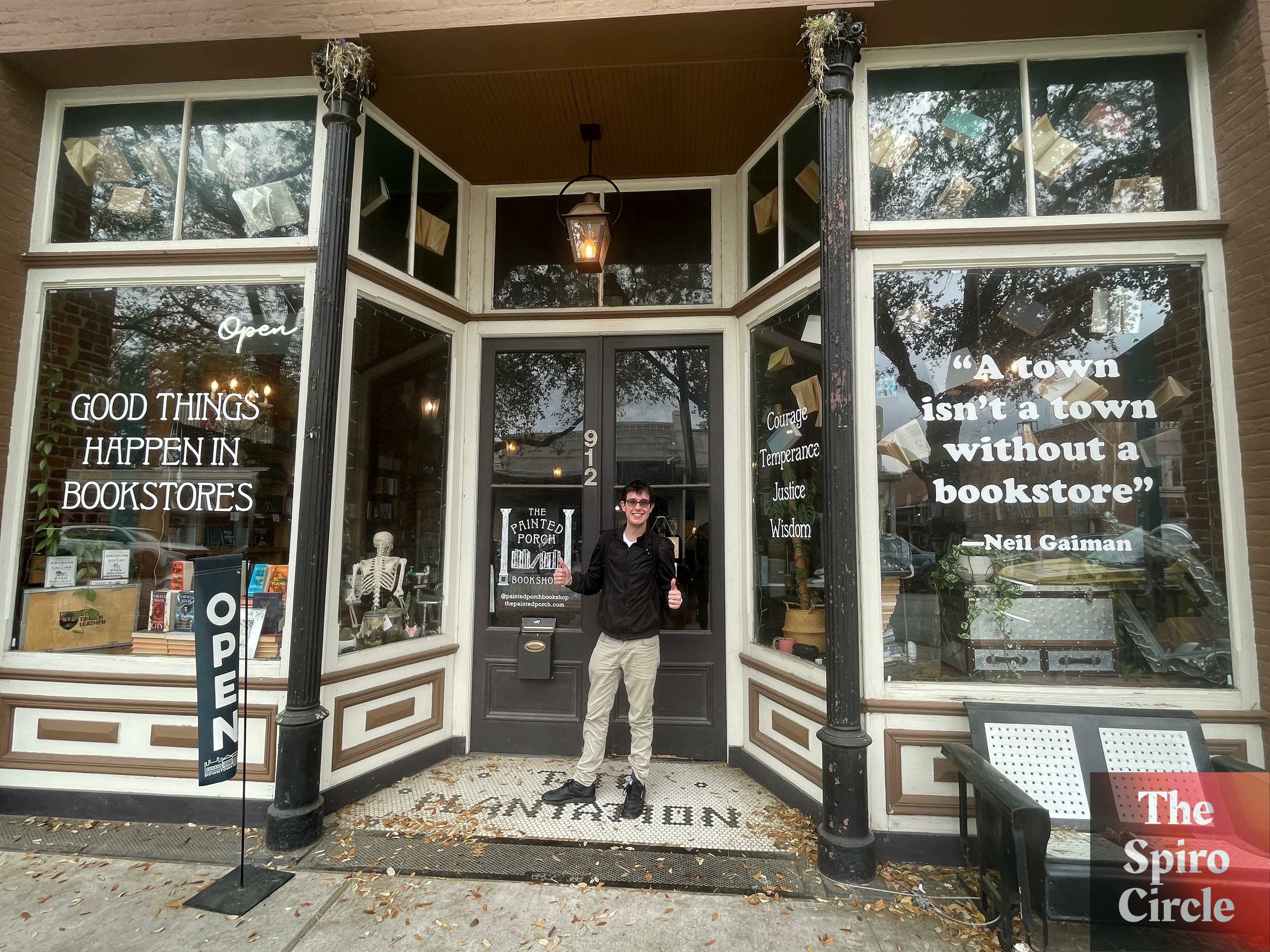
Last year I drove through Bastrop, Texas, to visit The Painted Porch. The store is owned by one of my favorite writers, Ryan Holiday, and it contains plenty of books on stoicism, non-fiction thrillers, and, of course, classic reads. With his work on display and other icons highlighted in every corner of the building, I felt as if I was stepping into my own mind as the physical walls became a reflection of what was inside my head for all these years.
Suddenly, I was connected to the people of Bastrop. A town with a population of 13,000, that I would never have visted without this store, was now on my radar. And in many ways, I knew that at least a small portion of its people shared my interests, had explored similar ideas to me, and had been challenged in the same way I had been.
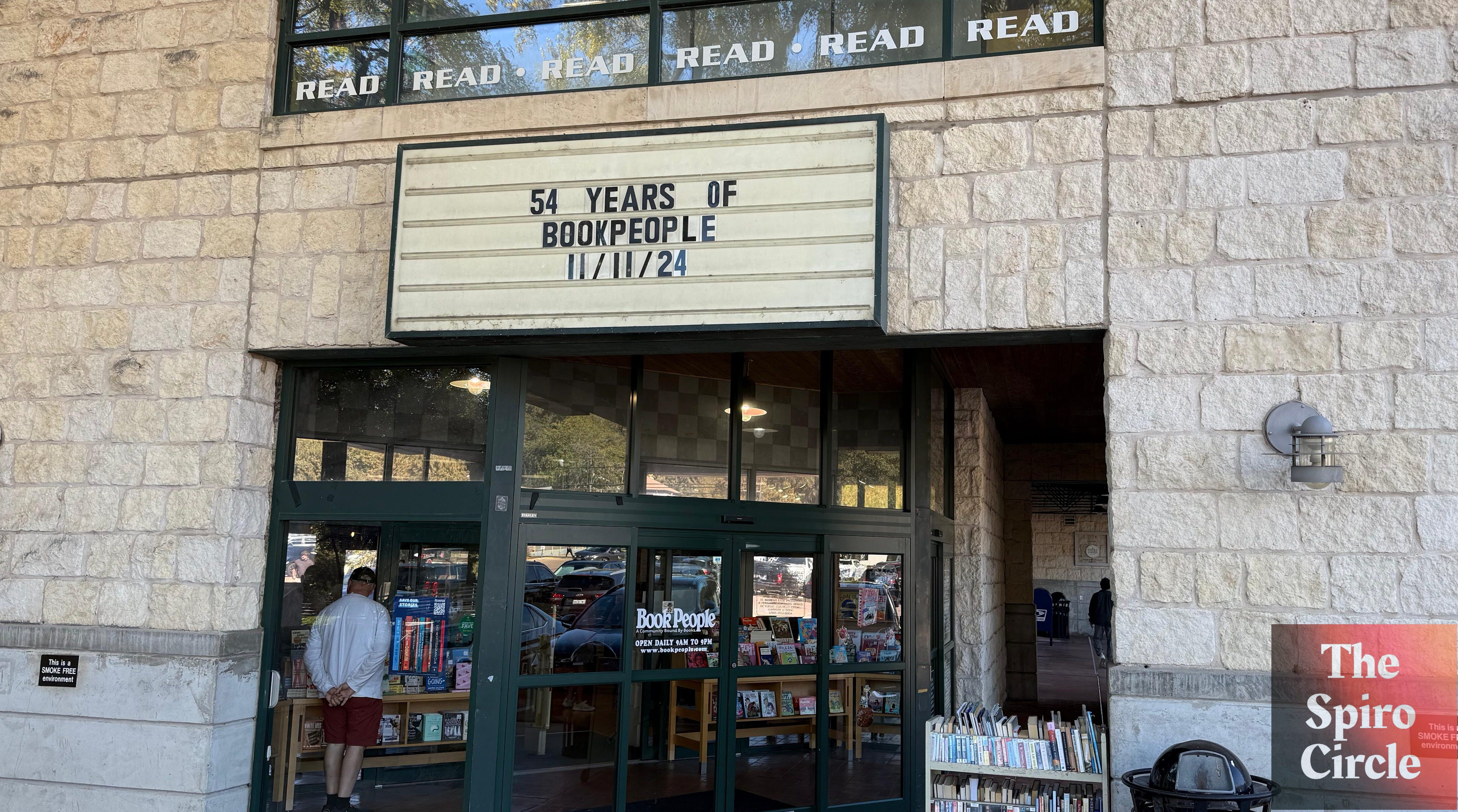
A few months later when I returned to Texas to explore Austin (population nearly 1 million), I wandered through the aisles of BookPeople, the state’s largest independent bookstore. There, it showed me a collection of political satires and graphic novels that were on display mere days after the election. I bought “Mr. Texas: A Novel” by Laurence Wright, which I took with me on my trip to Boston almost a year later.
And of course, there’s my own home of Tel Aviv, with shelves blending English, Hebrew, and Arabic texts — a reflection of the layers that define Israeli society and the staple of peaceful coexistence.
During my visit to Boston last week, I walked the MIT campus and I ate plenty of Lobster rolls. I got the selfie on Harvard Bridge, then I grabbed coffee at Tatte Bakery and Cafe. Cities are often described in terms of their food, architecture, or weather. And Boston has all the worthwhile markers, indeed.
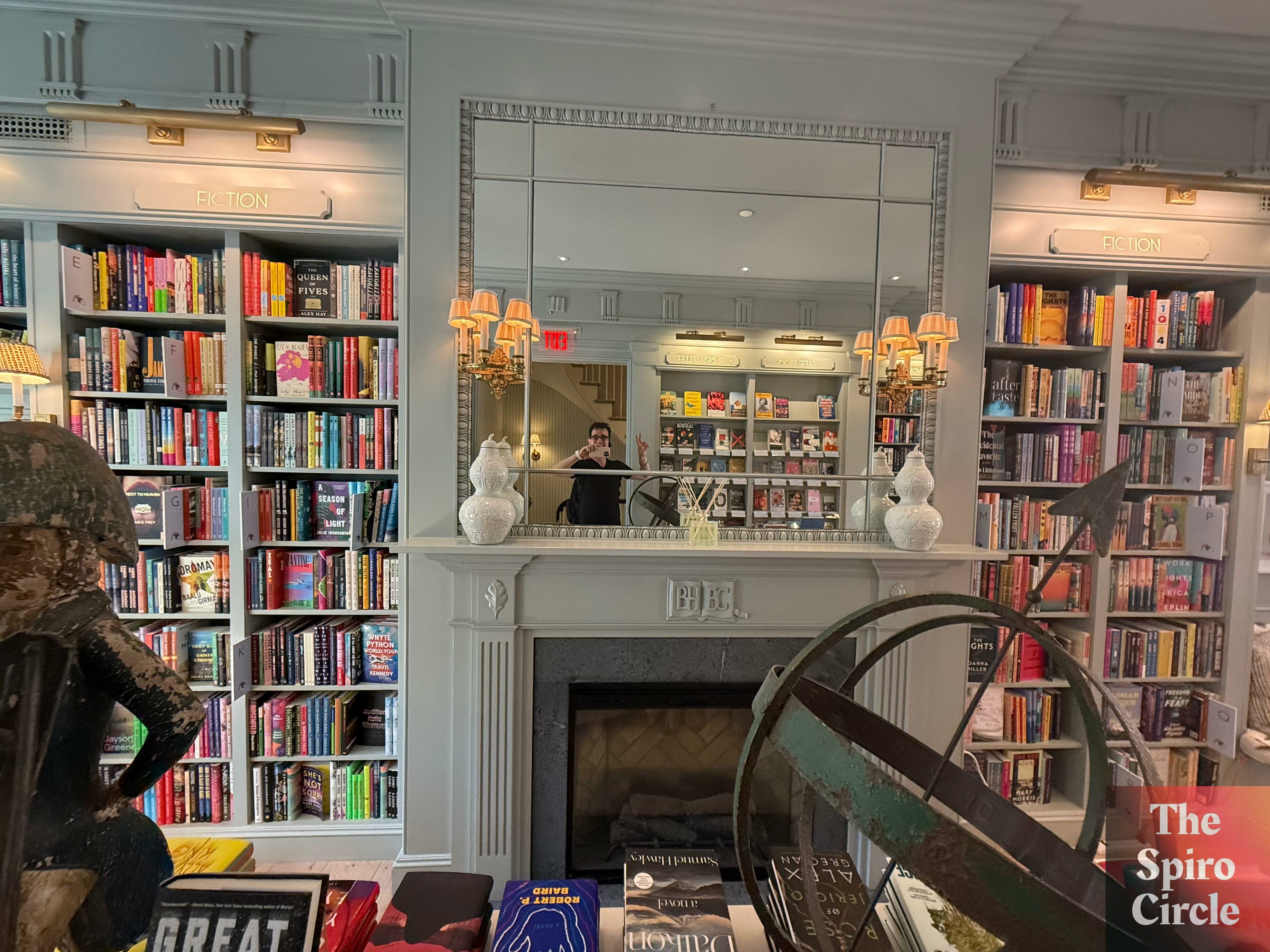
But I also indulged in my ritual once again. Beantown is known for its blend of entrepreneurial and academic accomplishments, so I was excited to step inside these havens and ‘meet’ the locals through two specific bookstores: Beacon Hill Books and Cafe and Trident Booksellers & Cafe.
What I loved most was how they felt less like businesses and more like ‘cultural embassies’. They are curated not just by quality, but they showcase the taste and sentiment of the people across the city. I saw books by authors the locals are proud of, political or social issues that hit close to home, and staff picks that tell you not just what to read, but why.
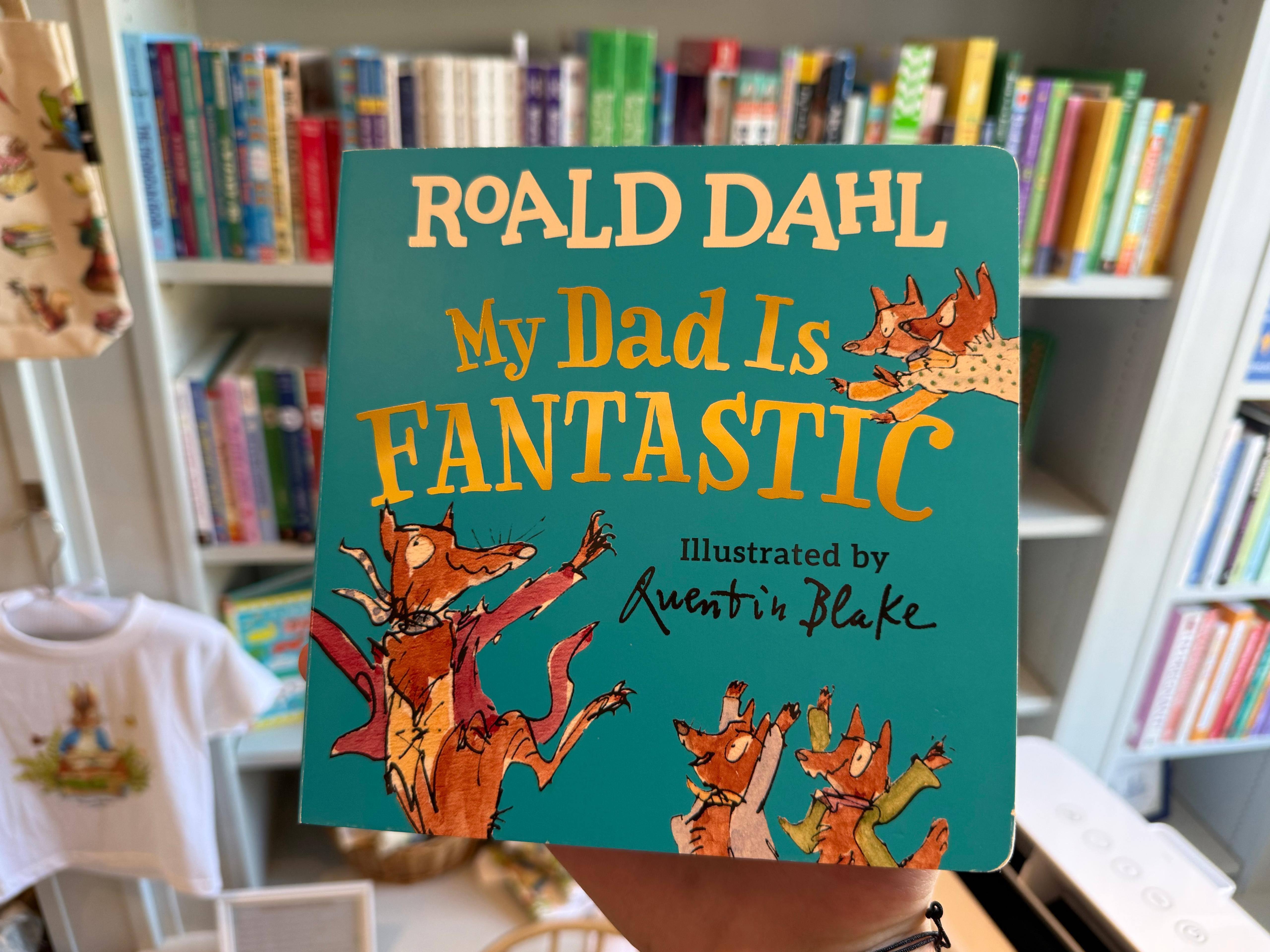
I saw biographies of the city founders on display and understood better its history and pride. I looked over fiction covers and glossed over cooking recipes. Then I walked into the children’s section and saw which titles parents are reading to their sons and daughters. I bought a copy of ‘My Dad Is Fantastic’ by Roald Dahl - a subtle choice to bring home for my boy.
For me, there’s also a personal element to this tradition. Traveling can often make you feel like an outsider, and recent years have left me doing this by myself more and more. But by stepping into a bookstore and pulling a title from the shelf, I suddenly find myself relating to its content and connecting with the city itself.
In a conversation with someone this week, she told me about her tradition of tracking down the local swing dancing classes to attend when visiting new cities. She said it helped her connect with people she otherwise wouldn’t interact with. I certainly couldn’t relate. But she also identified as an introvert, and I recommended that next time she explored a new place, she should look for the nearest bookstore.
Because what you find there might not just tell you what people are reading — it might tell you who they are.