


As the year approaches its end, our inboxes have been bombarded by Top Reads, Top Watches, Top Trends, or Top Choices of the year. And for good reason: This holiday period is a nice time to reflect on what we’ve learned or experienced as we prepare for the year ahead.

And 2025 gave me a lot to reflect on. This year, I welcomed my son, moved city, and went fully independent in my career. In fact, that all happened in the second half of the year!
I didn’t read as much as I wanted to (I never do!), but I still wanted to include some of my favourite titles from this year. In 2025, I made an active effort to read classic fictions I otherwise missed in the past alongside my typical dives into non-fiction - so this list is a little different from my typical bookshelf.
I also traveled less and moved more, so the bottom half of this list contains some audiobooks I listened to as well.
Here is a list of books in no particular order that caused me to think, imagine, and escape.
“A Clockwork Orange” by Anthony Burgess
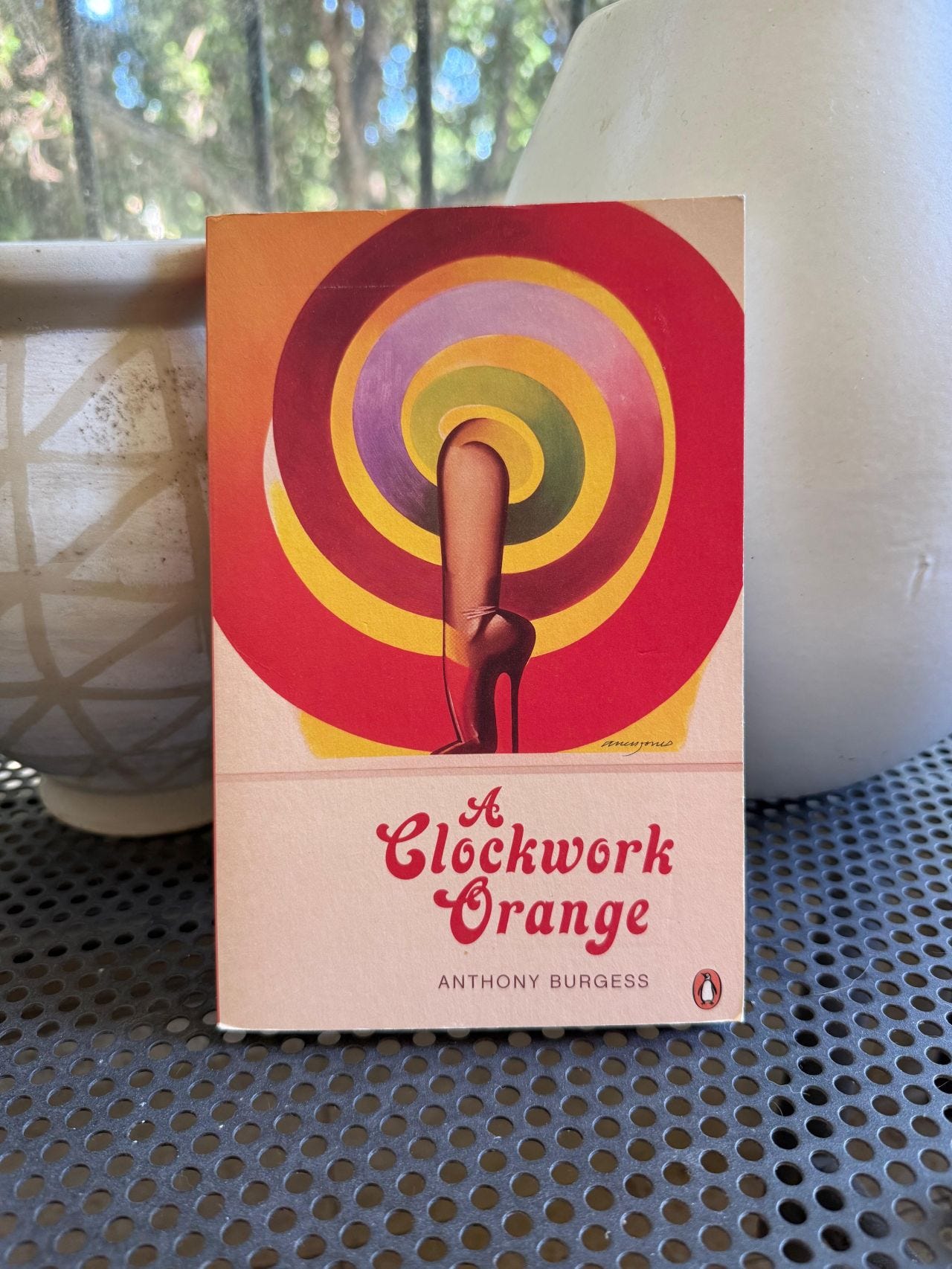
I visited the original text of one of the first films that truly scared me as a kid.
“A Clockwork Orange” by Anthony Burgess is a terrifying tale of a sociopathic child, Alex, and his journey from violent criminal to ‘reformed’ member of society.
The prose is written in an intense language called ‘Nadsat’, a fictional type of cockney-rhyming slang. It made it one of my most challenging fiction reads in a long time, but I couldn’t put it down once I cracked it.
The novel questions whether true morality can exist without the freedom to choose one's actions. Alex has his desires to embark on violence taken away from him through the state-supported ‘Ludovico Technique’ (remember the famous image of his eyes peeled open?), and, as such, it strips him of his ability to choose evil, leaving him mechanically ‘good.’
This raises the central dilemma: is forced goodness morally valid, or is free will essential for authentic morality?
Overall, I really enjoyed diving deeper into this idea, and was curious to learn of a controversial final chapter that was omitted from the original US release of the book and therefore the Stanley Kubrick-directed film adaptation. Whereas the movie ends with Alex resorting to his original ways, the final chapter (which is included in later editions) sees him truly redeemed and decides to be a better person on his own accord.
I firmly believe that character development is essential for good storytelling, so I value the ‘new’ (original) ending that saw him reclaim his free will and live a morally good life.
“Moral Ambition: Stop Wasting Your Talent and Start Making a Difference” by Rutger Bregman
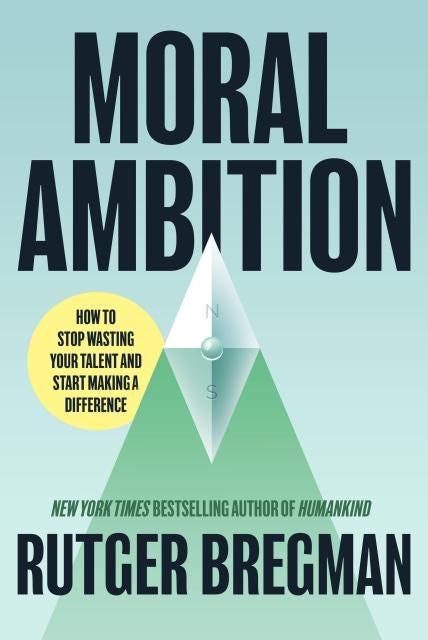
This was the third title from Rutger that explores social and philosophical questions of our time. As a fan of his other two, I ordered it as soon as it was released.
It asks us what makes a good person, and whether we live up to the possibilities ahead of us. He breaks down how we can harness our talents and transform our idealism into action, all to make the world a better place.
I don’t always agree with his arguments, which tend to lean more ‘left’ and liberal, but I always appreciate considering different views and hearing stories I would otherwise miss.
“World on the Brink: How America Can Beat China in the Race for the 21st Century” by Dmitri Alperovitch and Garrett M. Graff
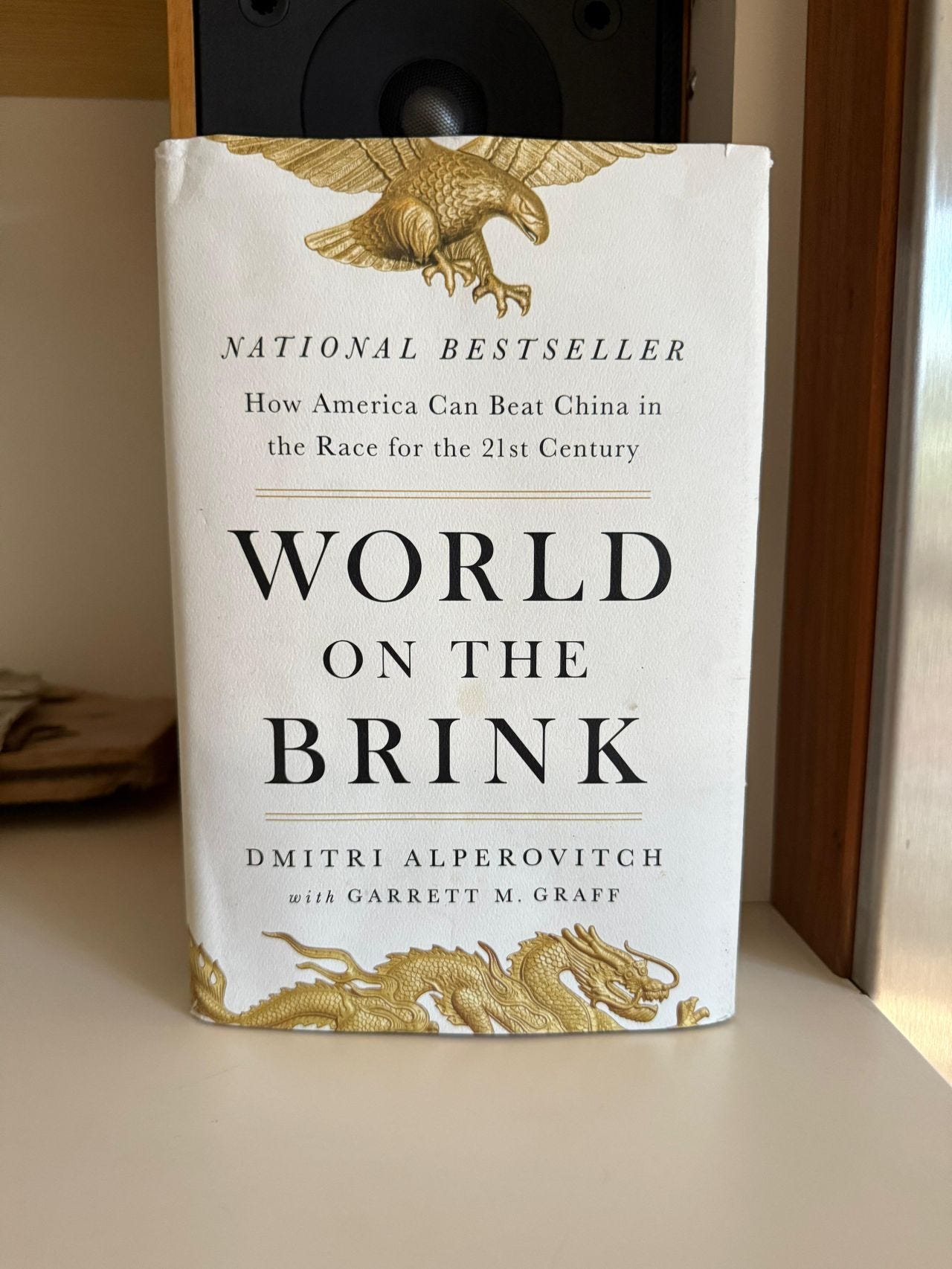
The first book I read post-Israel-Iran war focused on what looks to be the world's next big battle: Cold War II between the US and China.
"World on the Brink: How America Can Beat China in the Race for the 21st Century" by Dmitri Alperovitch and Garrett M. Graff draws on the Russia/Ukraine war and outlines how the West should be preparing for the inevitable conflict between the world's two superpowers.
It draws on history, geopolitics, technology, and game theory to promote two main ideas: That America is stronger than she thinks she is, and China is weaker than we think she is. A Chinese invasion of Taiwan is always on the horizon, but it can be prevented if Cold War I's policy of containment is repeated. This time, to prevent China from achieving its political, economic, and military goals.
In many ways, this book is the natural sequel to Chris Miller's "Chip War" - hands down my favourite book of 2024.
We are in exciting times steered by the "Great Man" theory of history (if you believe in that). It is up to us to determine our own future.
“Bad Therapy: Why The Kids Aren’t Growing Up” by Abigail Shrier
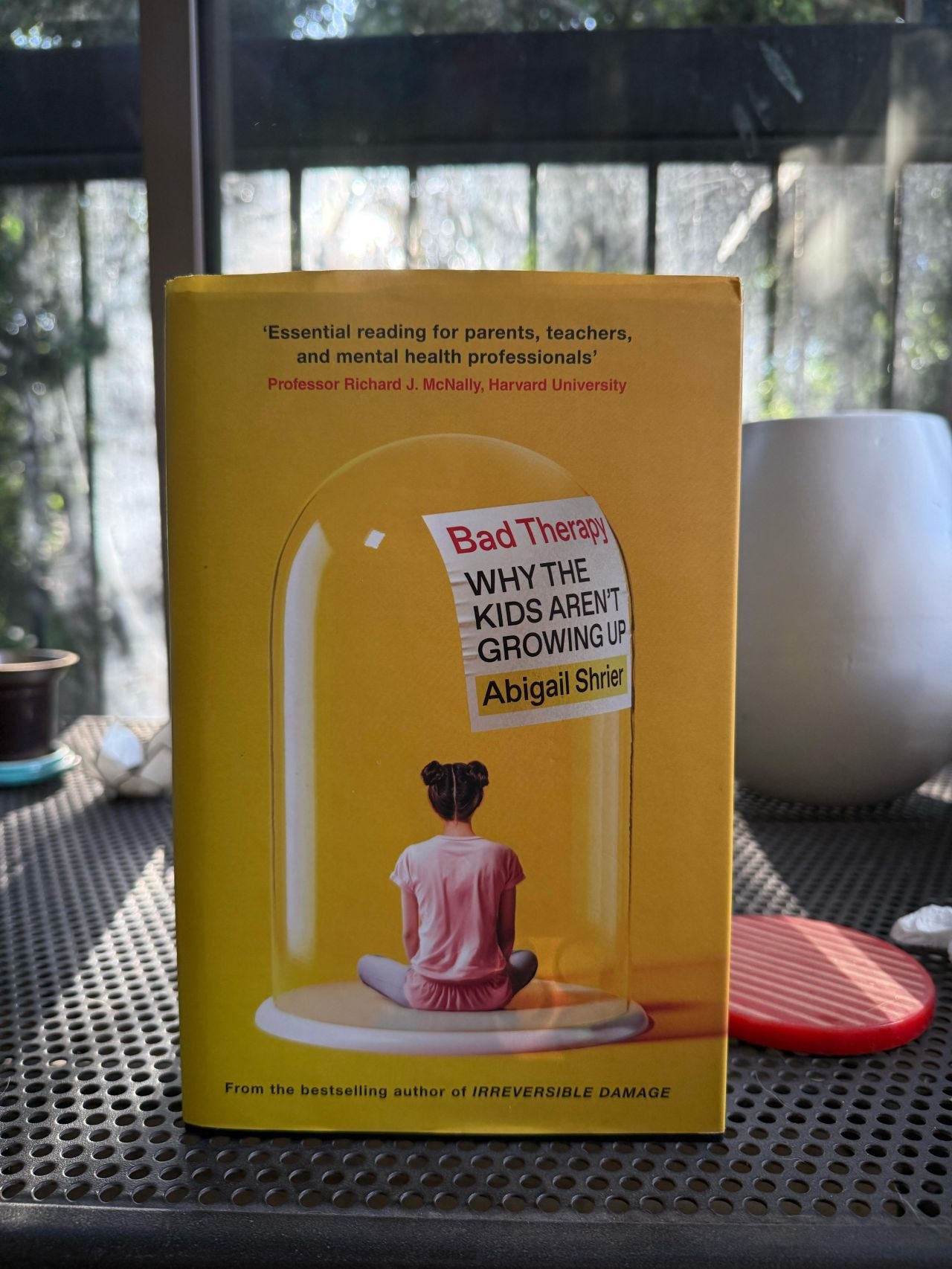
I read "Bad Therapy: Why The Kids Aren't Growing Up" by Abigail Shrier, which explores the negative effects of therapy on young people, mainly across the United States.
There's no doubt that it can be a useful tool for adults, but Shrier argues that a culture of overprotective parents and underqualified teachers is creating a generation incapable of taking on life's challenges.
When teenagers are too anxious to date, socialize, or apply for work, you know society's in trouble.
Interestingly, Shrier makes a point to highlight Israel as a country that avoids this: By encouraging children from a young age to seek independence and build resilience against adversity, its youth are prepared to grow up stronger than most.
“Fight Club” by Chuck Palahniuk
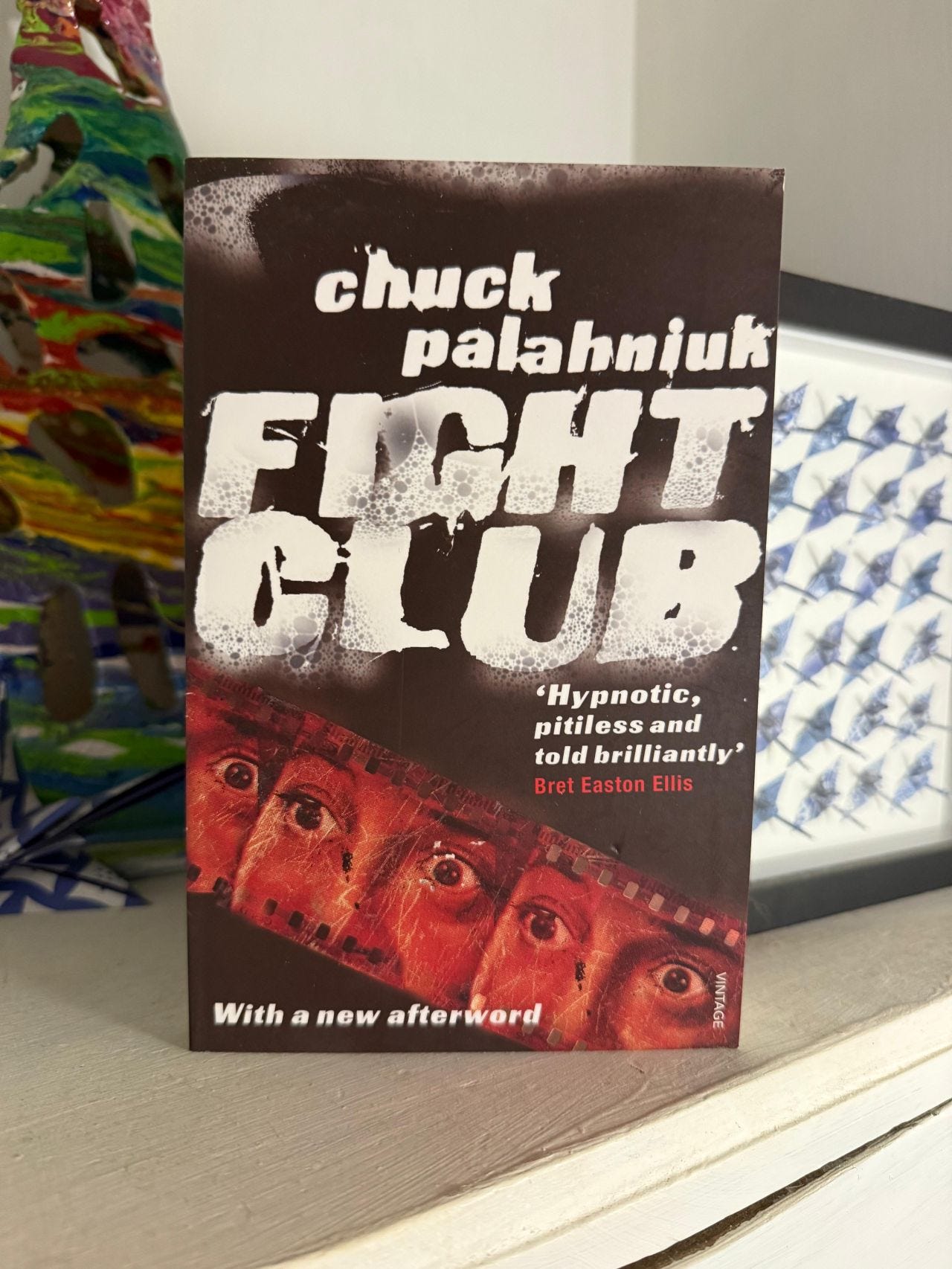
I read "Fight Club" by Chuck Palahniuk for the first time - although I have, of course, seen its movie adaptation many times.
Its themes of masculinity and consumerism are well-documented, but what struck me during this read was how closely they aligned with a third theme of anarchism and control.
Tyler/The Narrator is determined to 'burn it all down', but creates Project Mayhem: a system just as rigid and hierarchical as the structures he wanted to destroy.
In men’s hopes for control and self-agency, are we all destined in this world to fall back into our own inescapable structures of authoritarianism? How does a reading in 2025 (with new tech and social media) differ from when it was written in 1996?
Usually, when I watch movie adaptations after I read their source material, I feel disappointed. But since I had read it after already seeing the movie, I could dive much deeper into the mind of the Narrator and understand the psyche of a man who is descending into psychosis.
Overall, I really enjoyed revisiting this story, and I can't imagine any other movie director than David Fincher pulling it off the way he did in 1999. It is still as relevant as ever.
“The War of the Worlds” by H.G. Wells
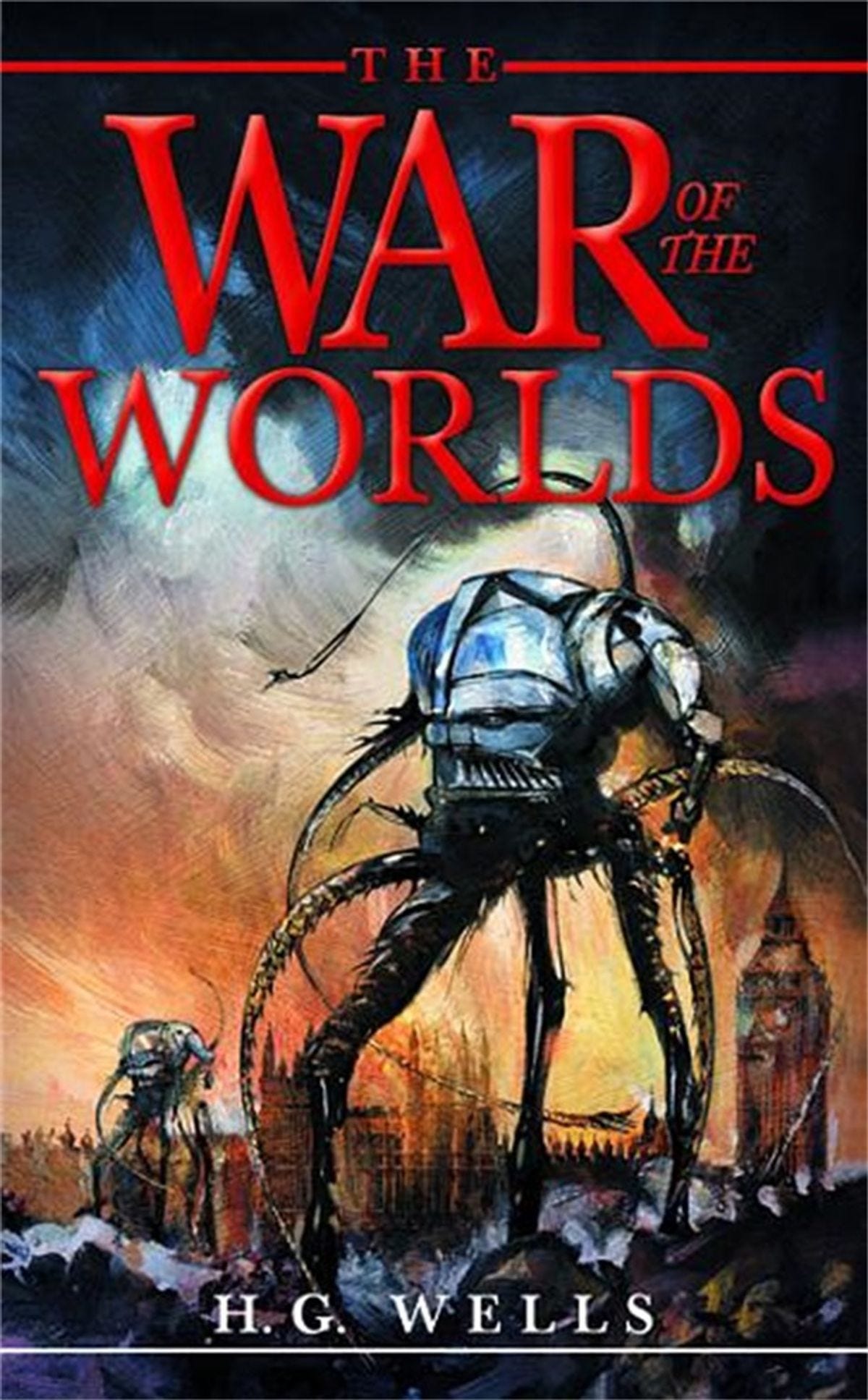
It was in the news at the time because of the infamous Ice Cube movie remake released (one of dozens since it was first published in 1898). However, some of its themes today ring just as true as they did back then.
Victorian society is quickly shattered by a more advanced civilization, despite being confident in its perceived progress and ability. Institutions are destroyed and deemed powerless as soon as something else - something superior - disrupts the order.
Its people then have a flurry of different responses: From the denial and delusion of the Artilleryman to the fear and fragility of the Curate. Only the Narrator, who remains observant of the horrors, remains reasonable and demonstrates the true instinct of survival.
Where have we seen this before? Well, there have been many instances in recent years that have questioned our faith in our own institutions or challenged our responses to technological advancements or scientific progress. The 2020s alone have shown how different we can all react to things like war and pandemics, or how faith in higher education and the media can collapse.
“The Old Man and the Sea” by Ernest Hemingway
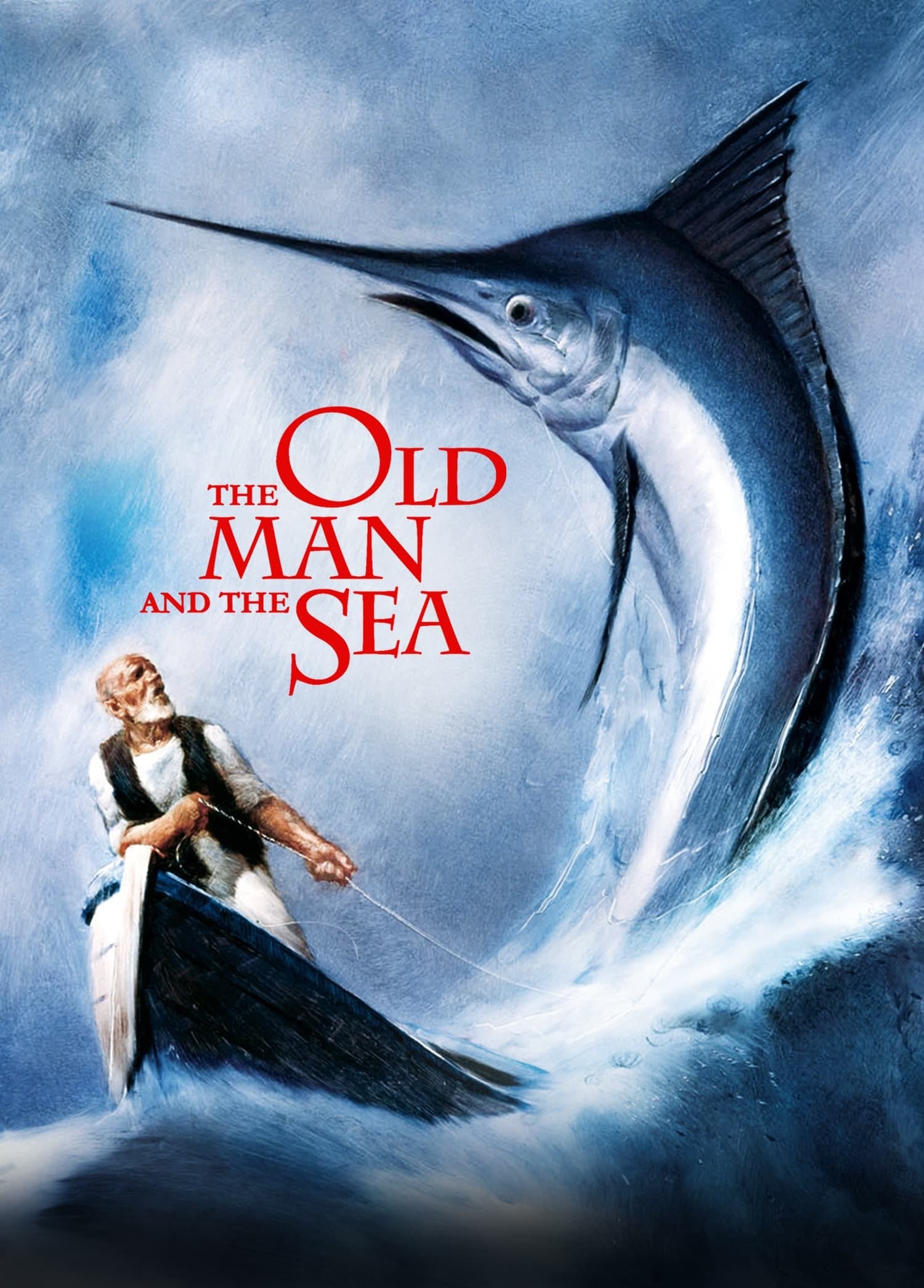
Here’s a book I missed at school, so I took the opportunity to read it over a weekend when I had some downtime. The story tells the tale of a Cuban fisherman in the Gulf Stream and the giant Marlin he kills and loses along the way.
When I finished it, I initially felt underwhelmed. But when I did further research into it, I began to appreciate the lessons in a whole new light. It isn’t a story about triumph or failure in any conventional sense, but about the dignity in the struggle.
Santiago doesn’t win in the traditional way we’re conditioned to recognize winning. And yet he isn’t defeated either. After all, “a man can be destroyed but not defeated,” right?
In a culture obsessed with results, metrics, and virality, I appreciated the patience required to absorb what it means to win, lose, and just keep going.
Audiobooks
“How to Be a Conservative” by Roger Scruton
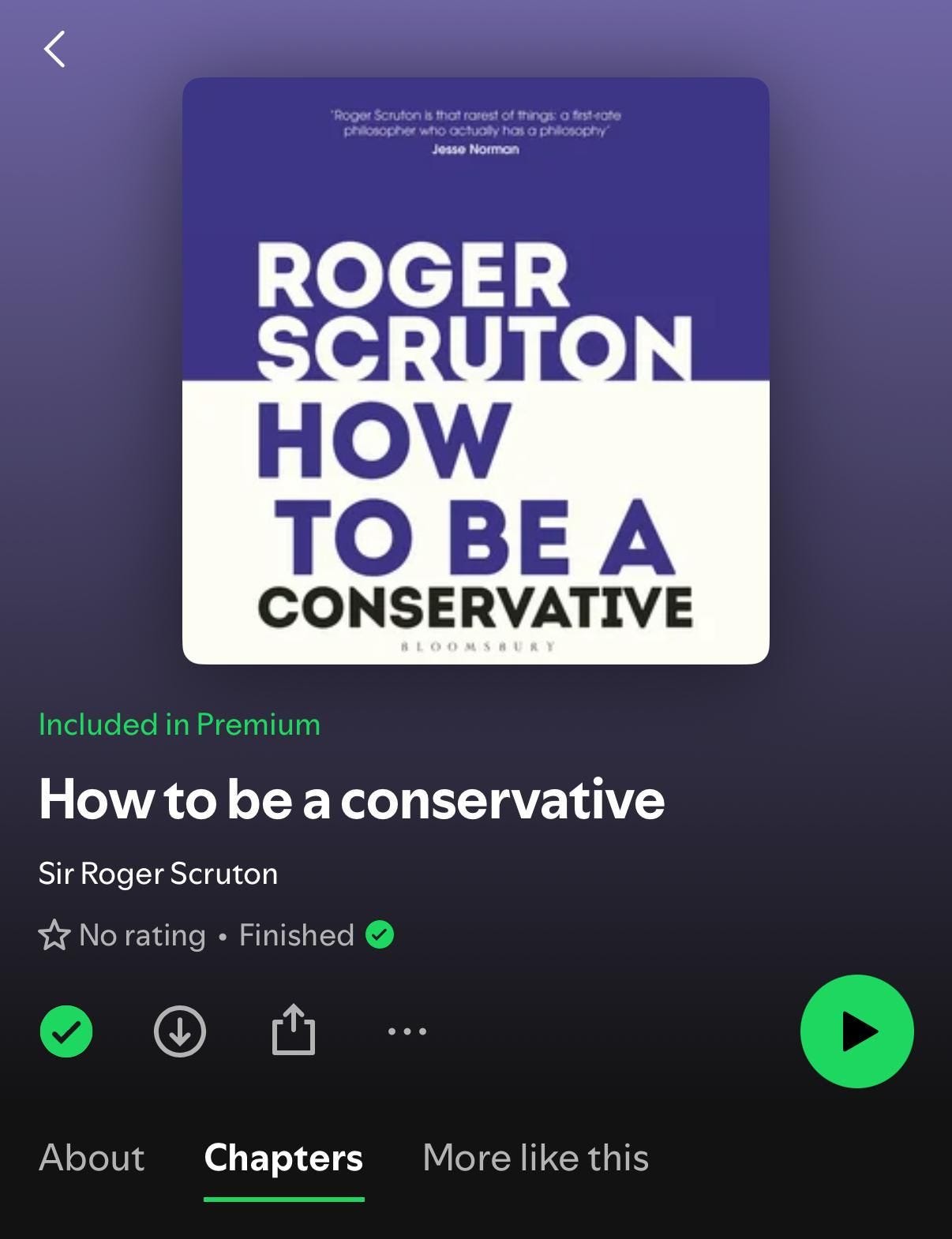
It explored the modern meaning of conservatism in today’s world (published in 2014) and touches on topics such as economics, the nation-state, immigration, multiculturalism, family, and religion - all big issues!
The main themes he conveys are ‘Oikophilia’ (Love of Home) and the value of tradition and continuity. Scruton emphasizes their importance and highlights culture and religion not as principles but as what helps maintain social cohesion among its people.
This made me consider Israel, and how it embraces the conservative value systems of tradition, religion, culture, and the significance of nationalism - a word all but stigmatized in Western societies today.
I realized I am living among a people in a country that embodies true conservative values, despite the beliefs that individual citizens may hold.
“Conservatism starts from a sentiment that all mature people can readily share: the sentiment that good things are easily destroyed, but not easily created,” he writes. And when we look at how fragile civilization is today, it is clear that the habits, rituals, and shared meaning among a country’s people are essential.
“Second Class: How the Elites Betrayed America’s Working Men and Women” by Batya Ungar-Sargon
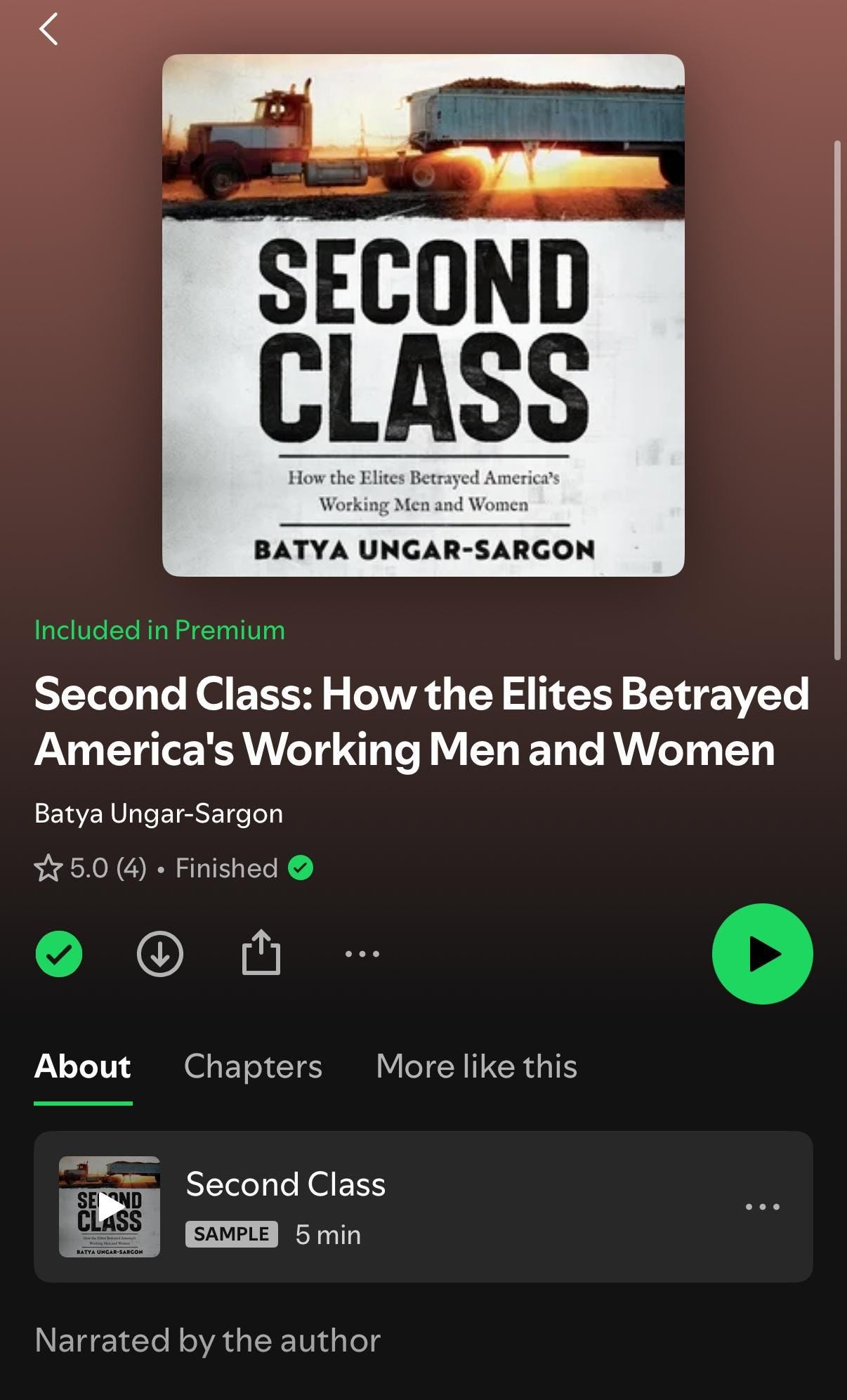
It tells the stories of some of the country’s hardest-working people and how the current system does little to help them with social and economic mobility to achieve the American Dream.
While it can be a bit too anecdotal at times, it reminds readers/listeners of the unwavering American spirit among its citizens - she does a wonderful job of showing us who these people are and why they think the way they do.
I was most interested in the conversations around the Diploma Divide, degree inflation, and how an Obama-era media landscape belittled the ethic and culture of the working class (Anyone else remember “Learn to Code”?).
It makes for some compassionate and thought-provoking reading that I highly recommend alongside her previous book, “Bad News: How Woke Media Is Undermining Democracy”.
"A Streetcar Named Desire" by Tennessee Williams
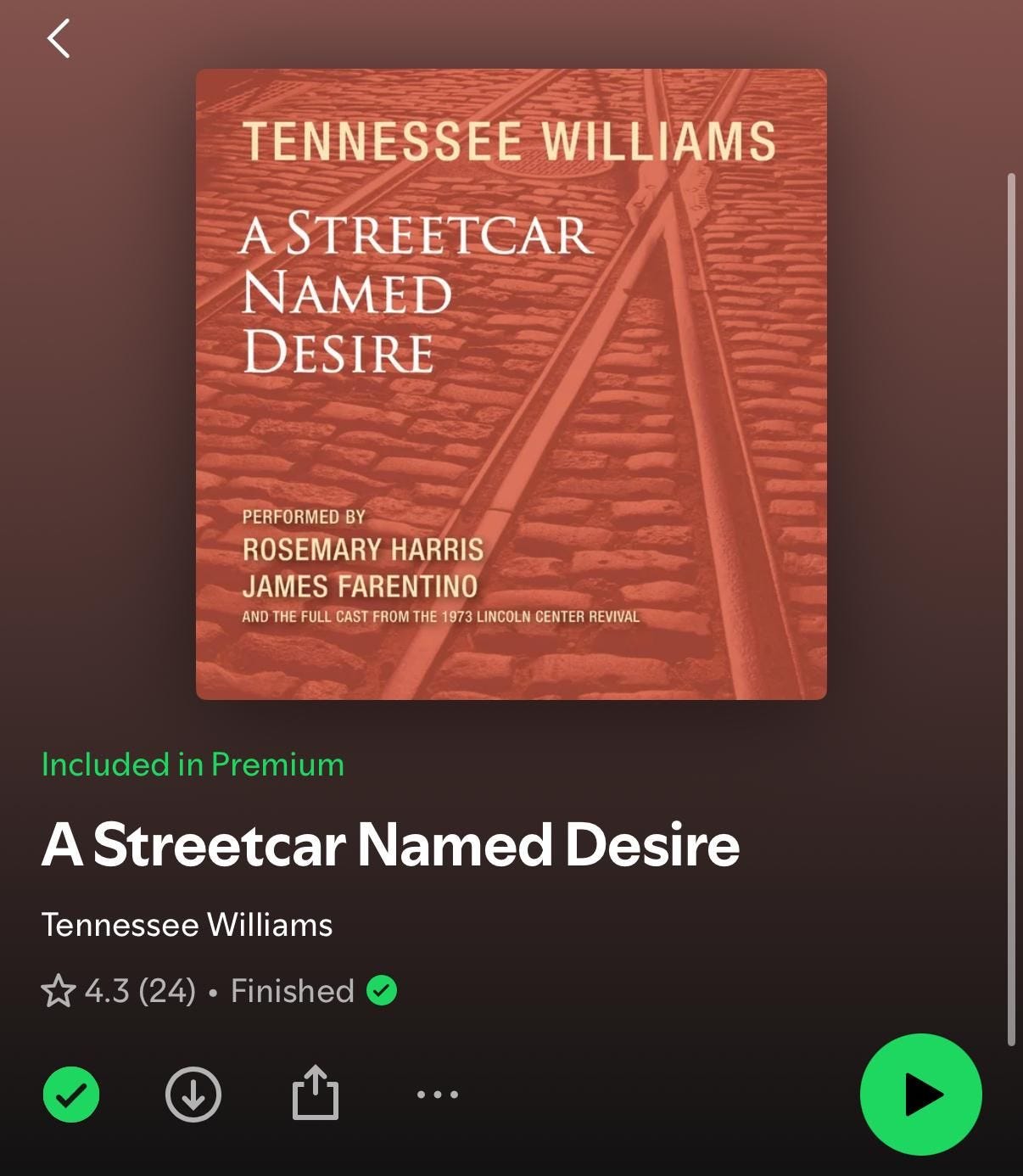
I did something my high school self wouldn't believe... I revisited one of my exam texts!
On a car ride with friends, I listened to a performance of "A Streetcar Named Desire" by Tennessee Williams. Since it's a play, the whole thing took two hours - barely an afternoon.
I enjoyed reading it in 2009, but this time was different: Hearing the performances and listening intensely to the words gave it all new meaning and expanded my appreciation for the work. With a bit more life experience, I found meaning in entirely new places.
Notably, the conflict between the Old South and New America, mirrored in Blanche's inner struggle between reality and escapism. Williams does an amazing job at showing us how two worlds can be completely at odds, and how lonely it can make people when they feel their life slipping away.
"Funerals are pretty compared to deaths. Funerals are quiet, but deaths—not always. Sometimes their breathing is hoarse, sometimes it rattles, sometimes they cry out to you, Don’t let me go!" - It sent shivers down my spine.
Have you ever listened to an audioplay? What did you think, and what would you recommend next?
BONUS: “Original Sin: President Biden’s Decline, Its Cover-Up, and His Disastrous Choice to Run Again” by Jake Tapper and Alex Thompson
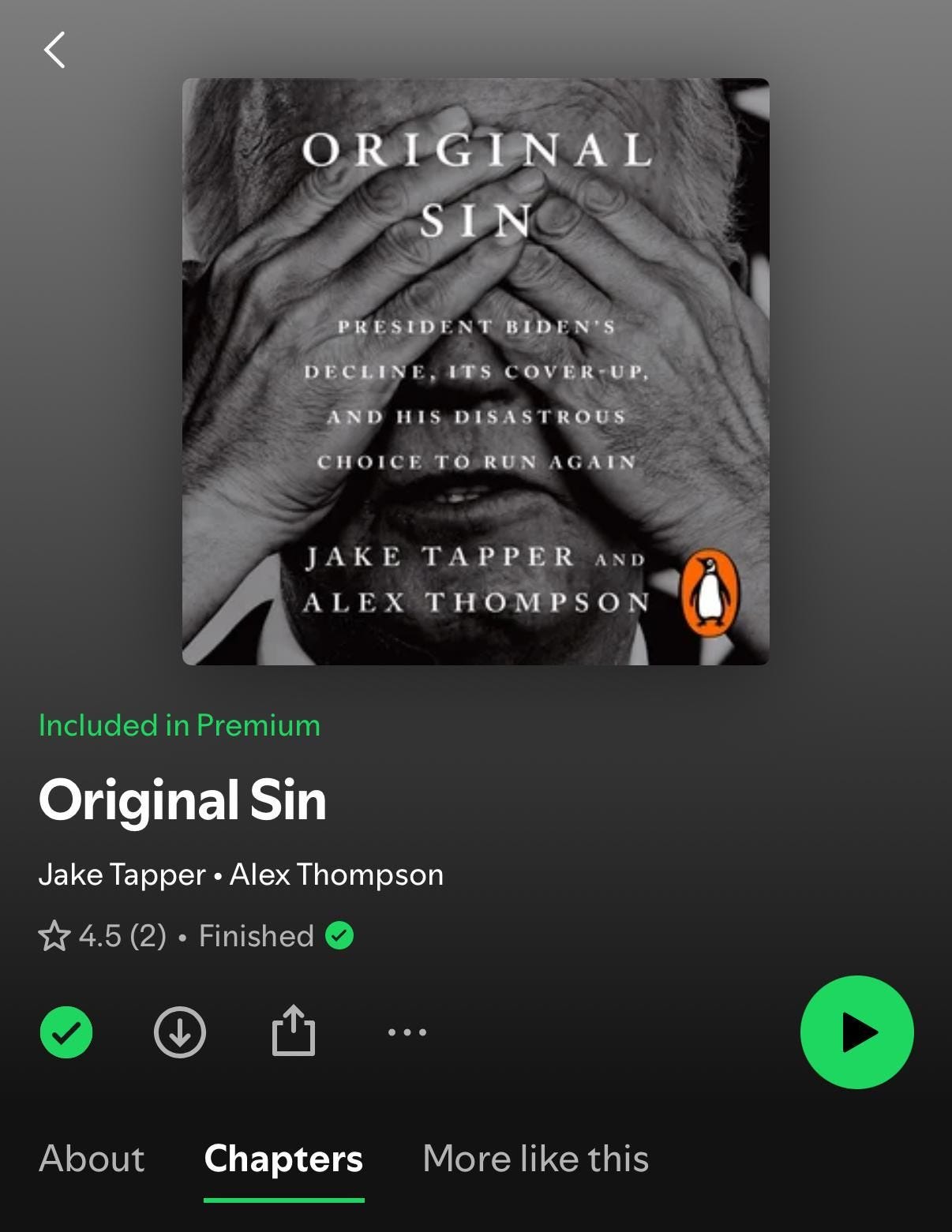
Here’s a bonus review from when I listened to this earlier this year. As a fellow journalist, I was so disappointed in what I heard.
Initially, I was excited to explore the end of Biden's presidency and, at long last, analyze what we all knew to be true: That the president was too cognitively impaired to do the job. I had followed Thompson's Axios reporting on it for a while, but as soon as Tapper's name was attached, I became skeptical of the entire project since he was always one of Biden's biggest defenders on CNN.
Overall, I was disappointed. It offers no new insights for those already aware of Biden’s decline before the 2024 debate, nor does it explain how the media was complicit in ignoring what we all saw over the years.
It tries to portray Biden and his White House as the leaders of a conspiracy to hide the truth from the public. But the majority of the public was already aware of his behavior! What's more, it was the same media establishment to which they belonged that helped keep it under wraps.
The idea that no one (the public, the journalists, or Hollywood) could see the extent of his decline until the summer debate is incredibly dishonest.
If 'Original Sin' had a single caveat like "...confirming what many online would often speculate, despite the media's efforts to reassure the American people that everything from the Biden White House was normal," I would respect it.
There’s hardly any mention of the White House press secretary Karine Jean-Pierre, which is so obvious it must be intentional.
Perhaps most egregious is how it neither credits those in the media who DID call it out, like Fox News Media's Peter Doocy, nor does it credit the public for pushing back against the gaslighting from Jean-Pierre. It doesn’t try to vindicate those of us who were Very Online during that time - people like me who were labeled “alt-right” or accused of spreading “cheapfakes.”
It's a shame because this could have been such a great book. But it acts as a complete rewrite of history with no mea culpa from either writer. A cynical cash grab not worth buying or reading.
This was a curated list of some of my top reads this year. I already have a stack of books on my shelf ready to tackle in 2026, and I look forward to sharing them with you.