


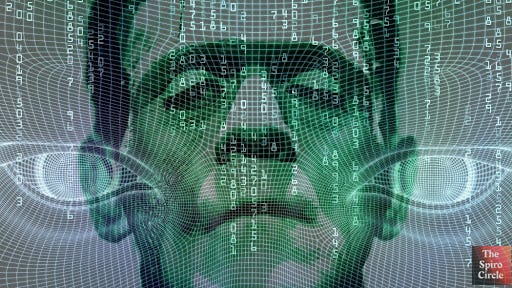
This week I finally read Mary Shelley’s gothic horror novel Frankenstein, a classic I had no doubt heard about but never actually studied in detail. Everyone knows the premise, right? Man creates a Monster, the Monster kills people, and man regrets his creation. Well, I was happy to discover the novel touches on many more issues than that!
It addresses themes like knowledge, revenge, and isolation, which I found compelling. But given my work and how I am surrounded by techies in the startup space, I couldn’t help but notice the parallel between Frankenstein’s manipulation of nature and how we may be playing the same games with modern-day AI.
Its subtitle is "The Modern Prometheus", connecting Victor to the Greek God who defied Olympians Gods by taking fire from them and giving it to humanity in the form of “technology, knowledge, and, more generally, civilization”. These ethical and existential dilemmas surrounding the creation of life can also be applied 200 years later to us, in the form of artificial intelligence and how AI researchers are doing the same thing with LLMs.
*The following contains spoilers for Frankenstein*
Victor’s final words before his death offer a stark warning about the consequences of playing God. He lies on his deathbed and says to Walton: “Seek happiness in tranquillity, and avoid ambition, even if it be only the apparently innocent one of distinguishing yourself in science and discoveries.”
Why would he say this?
To suffer through the murders and deaths of all his loved ones was a result of his actions: to push science to its limits for the creation of life, only to abandon it once he saw its horrors. It is only after he runs from his creation, scared of what it might do, does he learn what it is truly capable of. Then he pays the heavy price enduring a lifetime of fear, sickness, grief, and an early death.
Thankfully we are far from creating our own monsters out of flesh and bones, but humankind has given birth to intelligence in the form of AI, ChatGPT, social media algorithms, and much more.
In fact, if we apply these lessons in the context of AI, Frankenstein’s allegory can be broken down in a few more ways:
Ethical Responsibility: Victor shows us that we must consider the ethical repercussions of our actions. When playing with LLMs, we should be aware of the potential harm they can cause, and the need for responsible leadership to ensure that AI serves humanity rather than harms it.
Creation and Consequences: AI researchers are modern-day Frankensteins and we are all consumers of their creations. In effect, AI is the Monster itself - which, when created, could one day develop in ways that its creators did not anticipate or cannot fully manage.
Fear and Unknown: When learning about the Monster’s life away from its creator, we are sometimes sympathetic to how it is rejected even when trying to help those around it. Just as ‘the wretched beast’ was sometimes misunderstood, AI can also evoke fear and anxiety due to its unknown potential. [this by no means justifies its acts of murder!]
Alienation: The Monster faces rejection and isolation, which can be likened to those who rely on AI systems for their socialization, recreation, or work. Not to mention the feeling AI systems might ‘feel’ in the event they develop full sentience!
In all, Shelley presented Victor as the modern-day warning against these themes while leaning on past allegories seen in Greek Mythology. It is therefore ironic that we can now rely on Victor himself as the old warning for what we are doing with AI systems today.
It is often said that “Knowledge is knowing Frankenstein was the doctor; Wisdom is knowing Frankenstein was the Monster.” The same might be said about AI and its enablers one day.
Overall I enjoyed Frankenstein far more than I thought I would. Even though I was aware of its overall premise, I enjoyed learning the deeper stories it told about its secondary characters and some of the themes it touched on outside of each main character’s journey.
Tonight I am burdening my household with a screening of the 1931 movie, described as the best on-screen adaptation of the source material. I look forward to reading more about this novel and the questions it raises. If you know of any materials that might help me in my research, please feel free to contact me directly.