


I rarely send two emails in one day, but given the significance of today’s date and what it means to so many readers, I wanted to share today’s column I wrote on CTech [full piece linked].
Whereas my original reporting focused on the emotions of the day, my latest piece focuses more on the financial and diplomatic toll the war has had on the country. Since October 7, thousands of lives have been lost; billions of dollars spent; and there is still no end in sight.
You are invited to read the start of my column here and encouraged to read the rest of it free of charge on CTech.
Israel marks one year since the October 7 attacks with sadness and resolve
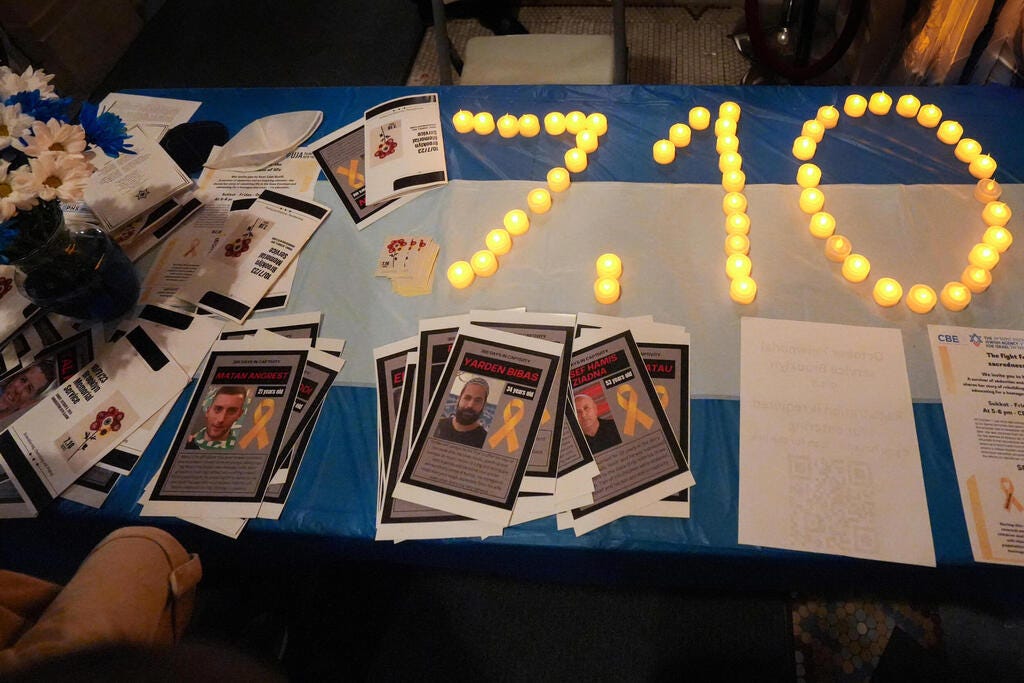
Today marks the first anniversary of the October 7 attack on Israel committed by Hamas, the terrorist organization in Gaza. The event shocked the world and resulted in the highest number of Jews killed in a single day since the Holocaust. As was reported at the time, some 1,200 people were killed and more than 250 people were taken hostage. At least 97 remain in Gaza, with most estimating that number to be roughly 101, but the exact number of those still alive is unknown.
Israel received 13,200 rocket launches from the Gaza Strip, 12,400 from Lebanon, 400 from Iran, 180 from Yemen, and 60 from Syria. It caused almost 30,000 alerts and millions of innocent civilians to reside in bomb shelters across the country.
On a financial level, the 12 months following the outbreak almost destroyed Israel. Since October 7 and up to August 2024, the direct cost of funding the war reached NIS 100 billion ($26 billion), according to the Israeli Finance Ministry. The Bank of Israel has claimed the costs could rise to NIS 250 billion ($66 billion) by the end of 2025 and this is resulting in credit ratings downgrades that may impact the country for years. The cost of insuring Israel’s debt against default is nearing a 12-year high, and the budget deficit is ballooning.
The United States has been a generous financial ally with $17.9 billion in military aid, the most in a single year ever recorded, but an upcoming change in leadership may threaten this. The country’s praised Startup Nation has felt the knock, too: nearly half of Israeli tech companies reported canceled investments since the war began and $7.8 billion has been invested in its ecosystem - a healthy number, but one not immune from concerns of war, government dysfunction, or negative sentiment for the future.
One year later the country is still reeling from the moments of that day, as well as the subsequent denialism and sympathy seen across American college campuses and some European cities. Suddenly, the country had to face not only the immediate threats along its borders, but was also thrust into a conflict battled online by antisemites who dreamt of Israel’s destruction, and civilians in the streets across the world who openly sided with terrorists.
As of September 2024, at least 97 of those kidnapped by Hamas are still in Gaza - with some believed to be dead. It is understood that Yahya Sinwar is hiding among them as the lone coward surrounded by brave victims. The world is waiting for the day they will dance again.