


This next month will be a bit quieter for me on this platform, but I wanted to do a quick post to update you all on some of the things I’ve been enjoying these last few weeks.
I’ve had time to read a few books and watch some movies/documentaries that I wanted to share here. I’ve taken a bit of a mental break from scrolling through the chaos from the newsrooms, so you’ll see the list is a lot more focused on fiction than my traditional dive into non-fiction work.
A bit of a strange deviation for me, but one I enjoyed thoroughly. Here’s a breakdown.
Books
“A Clockwork Orange” by Anthony Burgess
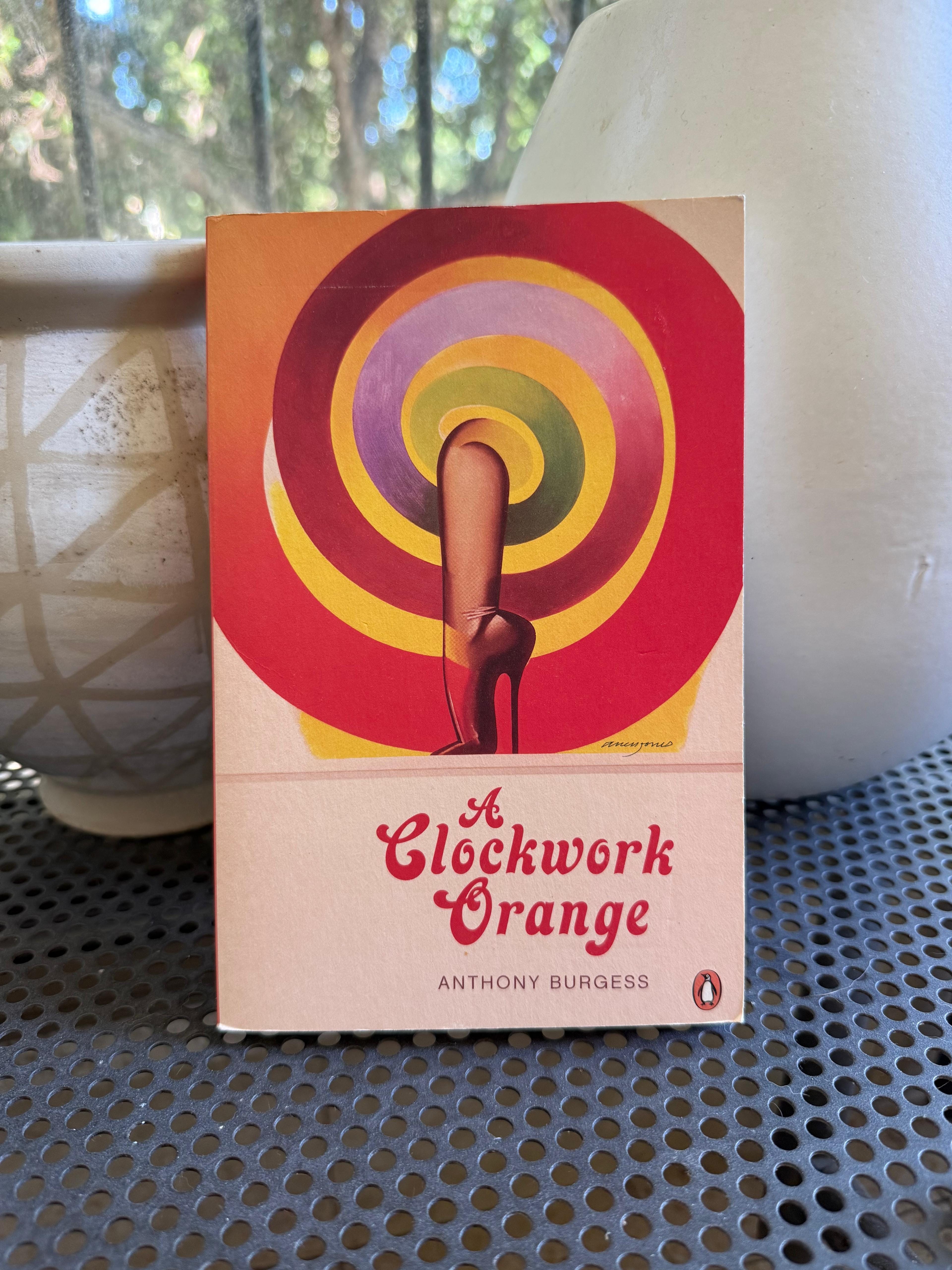
As mentioned, I decided to continue my trend of classic fiction reads and dived into the original text of one of the first films that truly scared me as a kid.
“A Clockwork Orange” by Anthony Burgess is a terrifying tale of a sociopathic child, Alex, and his journey from violent criminal to ‘reformed’ member of society.
The prose is written in an intense language called ‘Nadsat’, a fictional type of cockney-rhyming slang. It made it one of my most challenging fiction reads in a long time, but I couldn’t put it down once I cracked it.
The novel questions whether true morality can exist without the freedom to choose your actions. Alex has his desires to embark on violence taken away from him through the state-supported ‘Ludovico Technique’ (remember the famous image of his eyes peeled open?) and, as such, it strips him of his ability to choose evil, leaving him mechanically ‘good.’
This raises the central dilemma: is forced goodness morally valid, or is free will essential for authentic morality?
Overall, I really enjoyed diving deeper into this idea, and was curious to learn of a controversial final chapter that was omitted from the original US release of the book and therefore the Stanley Kubrick-directed film adaptation. Whereas the movie ends with Alex resorting to his original ways, the final chapter (which is included in later editions) sees him truly redeemed and decides to be a better person of his own accord.
I firmly believe that character development is essential for good storytelling, so I value the ‘new’ (original) ending that saw him reclaim his free will and live a morally good life.
“Fight Club” by Chuck Palahniuk
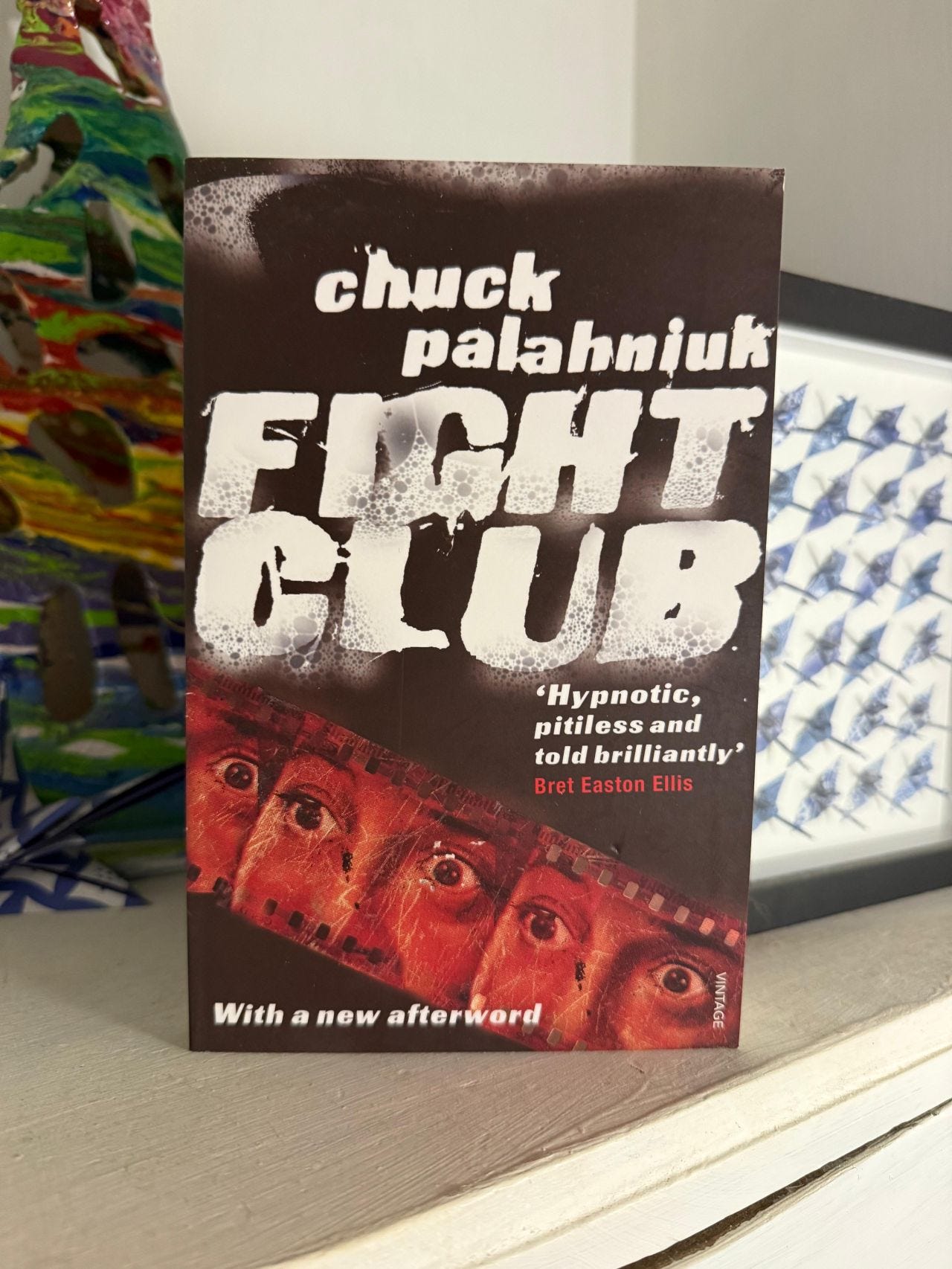
I also read "Fight Club" by Chuck Palahniuk for the first time - although I have, of course, seen its movie adaptation many times.
Its themes of masculinity and consumerism are well-documented, but what struck me during this read was how closely they aligned with a third theme of anarchism and control.
Tyler/The Narrator is determined to 'burn it all down', but creates Project Mayhem: a system just as rigid and hierarchical as the structures he wanted to destroy.
In men’s hopes for control and self-agency, are we all destined in this world to fall back into our own inescapable structures of authoritarianism? How does a reading in 2025 (with new tech and social media) differ from when it was written in 1996?
Usually, when I watch movie adaptations after I read their source material, I feel disappointed. But since I had read it after already seeing the movie, I could dive much deeper into the mind of the Narrator and understand the psyche of a man who is descending into psychosis.
Overall, I really enjoyed revisiting this story, and I can't imagine any other movie director than David Fincher pulling it off the way he did in 1999. It is still as relevant as ever.
Do you prefer to watch movie adaptations of books you've read, or do you return to the source material after enjoying the movie? Maybe you avoid one if you've enjoyed the other?
“Bad Therapy: Why The Kids Aren't Growing Up" by Abigail Shrier
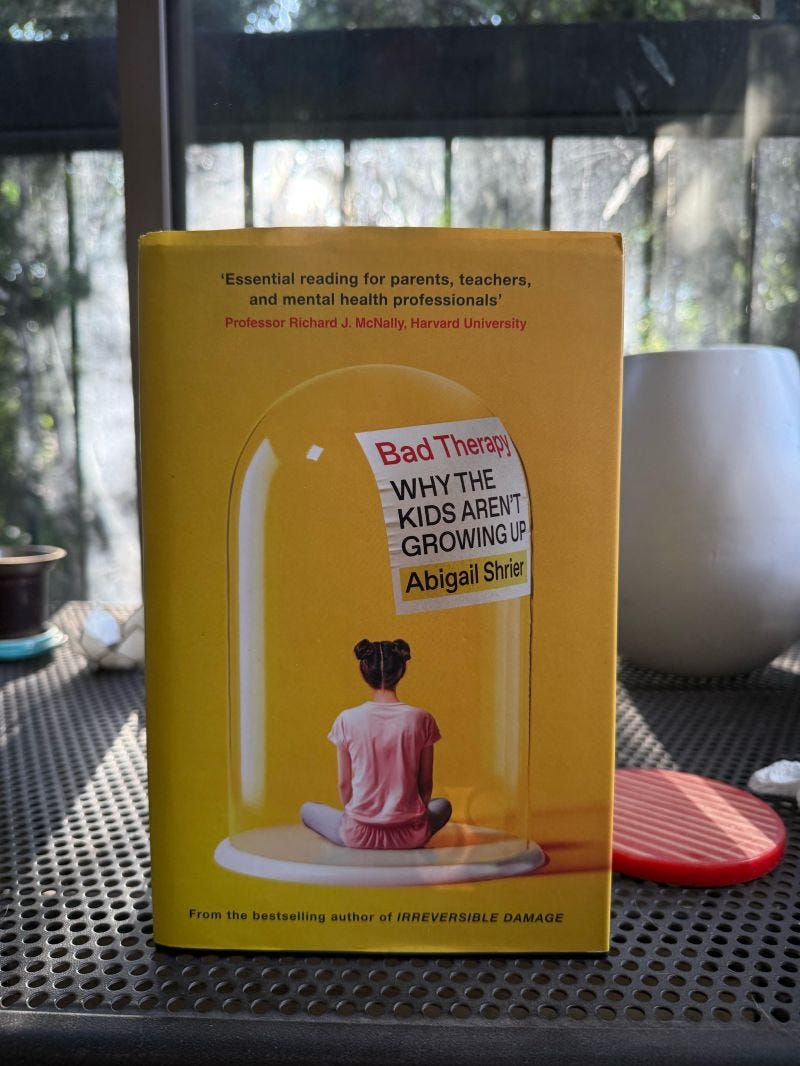
I read "Bad Therapy: Why The Kids Aren't Growing Up" by Abigail Shrier, which explores the negative effects of therapy on young people, mainly across the United States.
There's no doubt that it can be a useful tool for adults, but Shrier argues that a culture of overprotective parents and underqualified teachers is creating a generation incapable of taking on life's challenges.
When teenagers are too anxious to date, socialize, or apply for work, you know society's in trouble.
Interestingly, Shrier makes a point to highlight Israel as a country that avoids this: By encouraging children from a young age to seek independence and build resilience against adversity, its youth is prepared to grow up stronger than most.
“How To Be A Conservative” by Roger Scruton
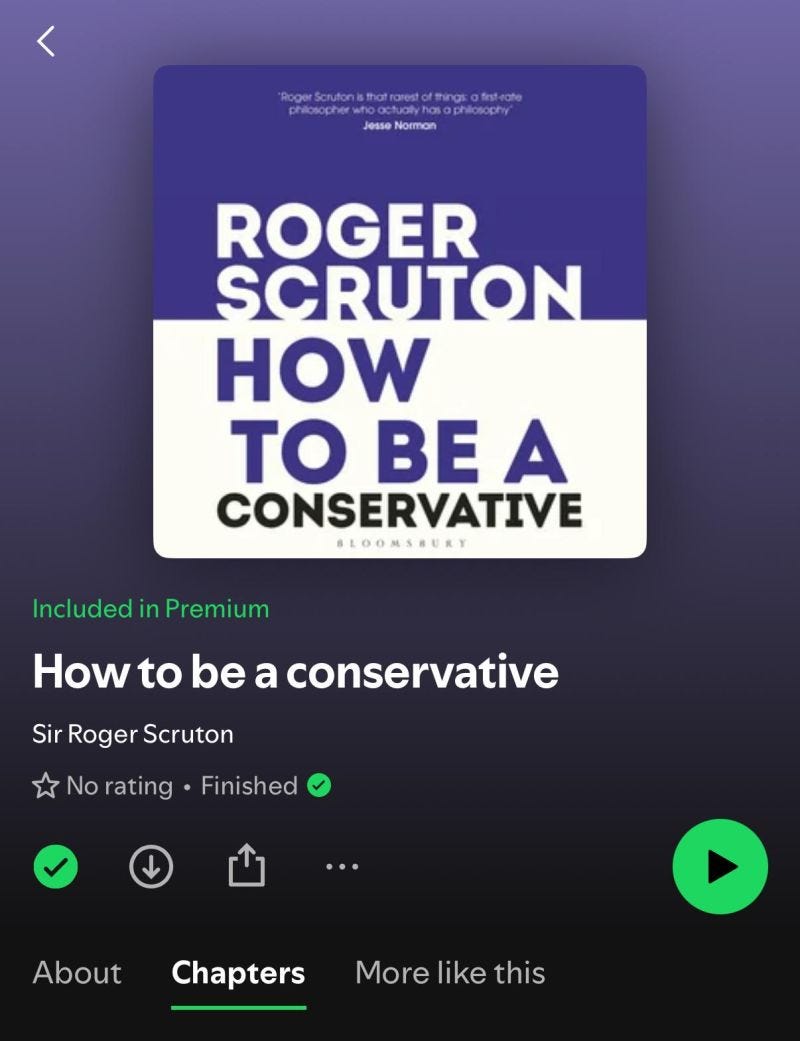
I had a lot of time on trains and planes this month, so I listened to "How to Be a Conservative" by Roger Scruton.
It explored the modern meaning of conservatism in today's world (published in 2014) and touches on topics such as economics, the nation-state, immigration, multiculturalism, family, and religion - all big issues!
The main themes he conveys are 'Oikophilia' (Love of Home) and the value of tradition and continuity. Scruton emphasizes their importance and highlights culture and religion not as principles but as what helps maintain social cohesion among its people.
This made me consider Israel, and how it embraces the conservative value systems of tradition, religion, culture, and the significance of nationalism - a word all but stigmatized in Western societies today.
I realized I am living among a people in a country that embodies true conservative values, despite the beliefs that individual citizens may hold.
“Conservatism starts from a sentiment that all mature people can readily share: the sentiment that good things are easily destroyed, but not easily created," he writes. And when we look at how fragile civilization is today, it is clear that the habits, rituals, and shared meaning among a country's people are essential.
Can anyone recommend a book that explores a liberal/progressive idea in the same depth?
Television
“Turning Point: The Vietnam War”
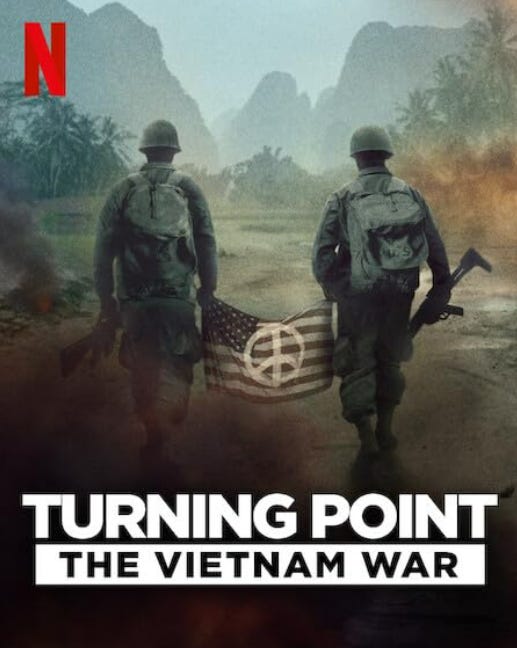
This Netflix docuseries is the third entry from the fantastic “Turning Point” series, which previously explored 9/11 and The War on Terror and The Cold War. This time, it takes us back to the Vietnam War of the 1960s and 1970s and its repercussions around the world.
In today’s climate, it’s easy to forget about other moments in history full of deep division. 1968 - one of America’s most turbulent years - saw political assassinations, a president bowing out of the election, and riots across the country.
History doesn’t repeat itself but it has a habit of yelling rhymes rather loudly.
I enjoyed looking back at this part of history. The series is long - five episodes, each 75 minutes - so it was consumed over a week.
“Seven Figures” (unfinished)
This has been a fun local Israeli show we watch at night - but important to note we haven’t concluded it yet.
The eight-episode series explores six different characters in Israel whoeach win the lottery - but must conduct an eight-week therapy course before they recive their winnings. The archetypes are all there: we have the single Givatayim cafe manager, the Ramat Gan couple, the kibbutzim elders, and more.
It’s nice seeing original Israeli content make a splash on Netflix (it might be for local audiences only) and I appreciate any opportunity to catch up on my Hebrew!
“The Wonderful Story of Henry Sugar and Three More”
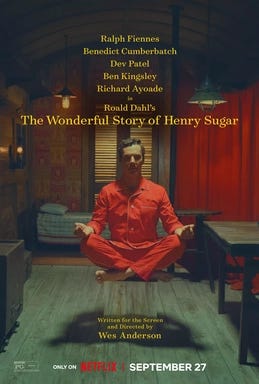
Wes Anderson may be a divisive filmmaker, but I can’t think of anyone who disliked Roald Dahl’s books growing up. Here, we see the Netflix adaptation of four of his short stories: “The Wonderful Story of Henry Sugar”, “Poison”, “The Rat Catcher”, and “The Swan”.
I had never heard of these tales, but I watched them all in one sitting, basking in the blend of stylized filmmaking and imaginative stories. Not everyone can get behind Anderson, but I found the content to be perfect source material for a filmmaker like him.
The acting by Benedict Cumberbatch et al. was, as always, enjoyable.
That’s more or less what I have spent my last month enjoying. I have beside my bed my next read: “World on the Brink: How America Can Beat China in the Race for the Twenty-First Century, which I will start reading in a few weeks after a short break.
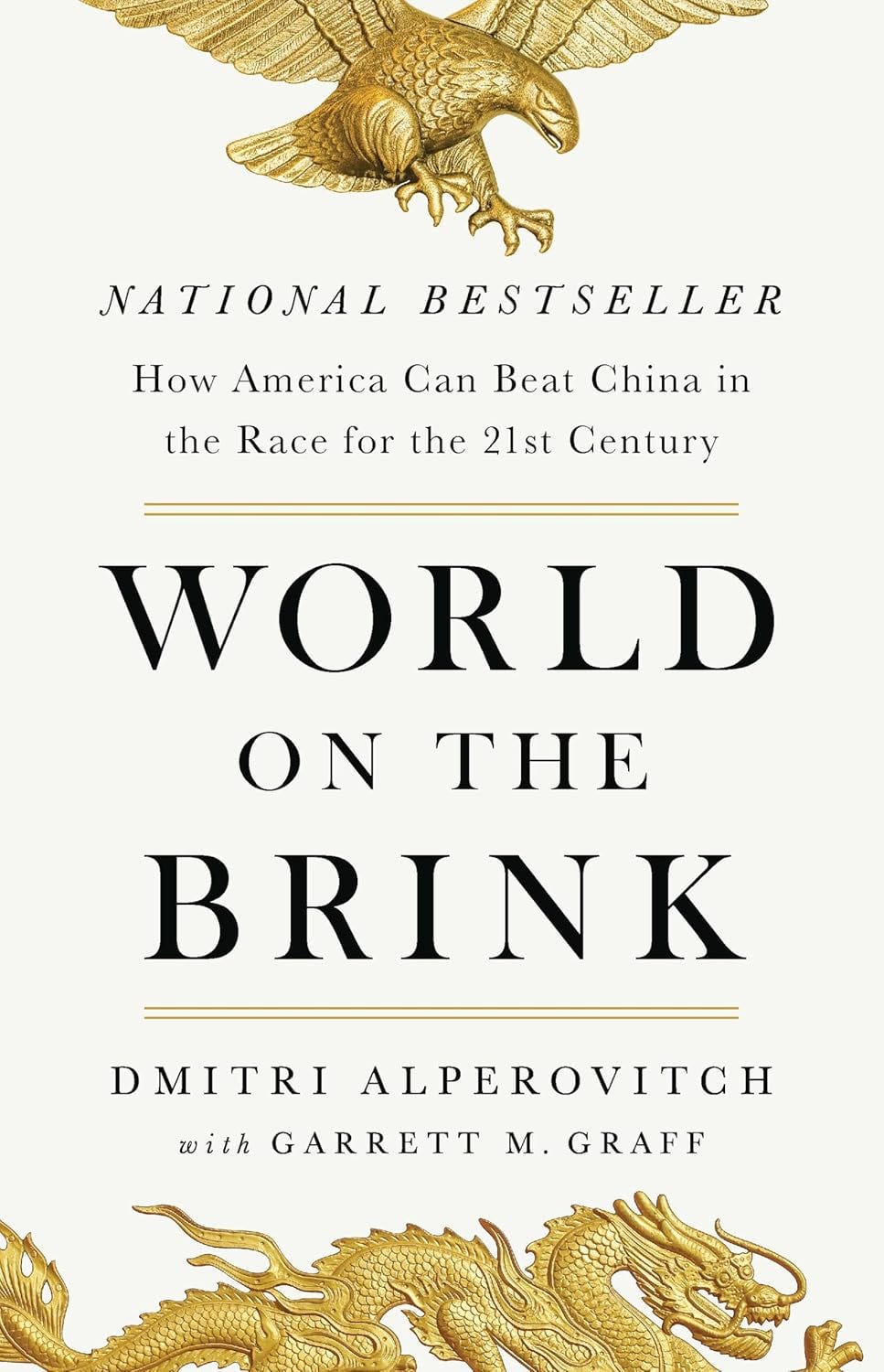
What have you enjoyed recently? Let me know, I always appreciate reccomendations.