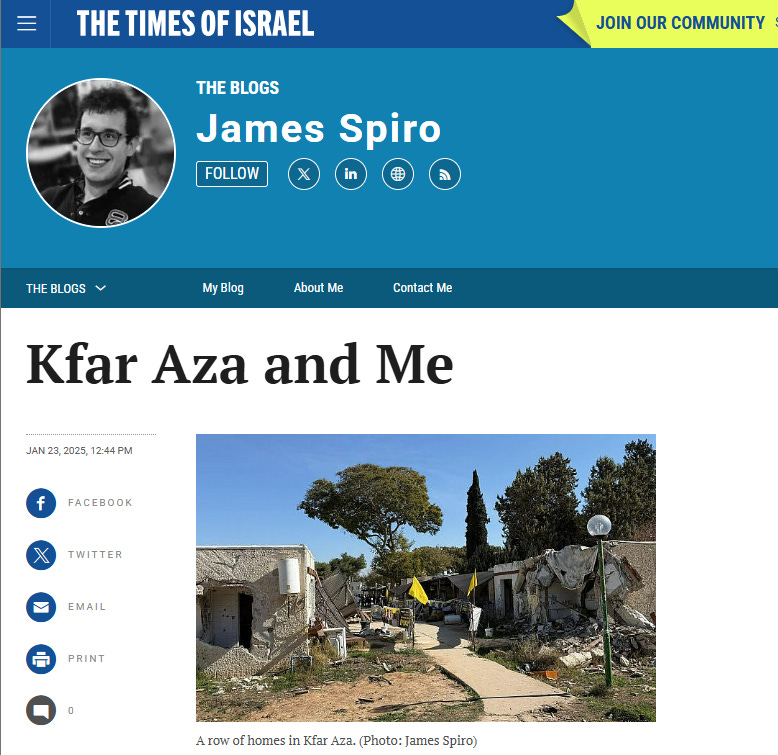
We walked toward the tree with a broken surfboard leaning on it. Tied with a piece of string, it presented a photo of a family man with candles and stones on the grass beneath it. The crowd of 20 people stood around and waited to hear from its guide.
“My husband and I were married young and split up. But he lived on one side of the kibbutz and I would stay on the other. We share four kids so we would remain in each other’s lives.”
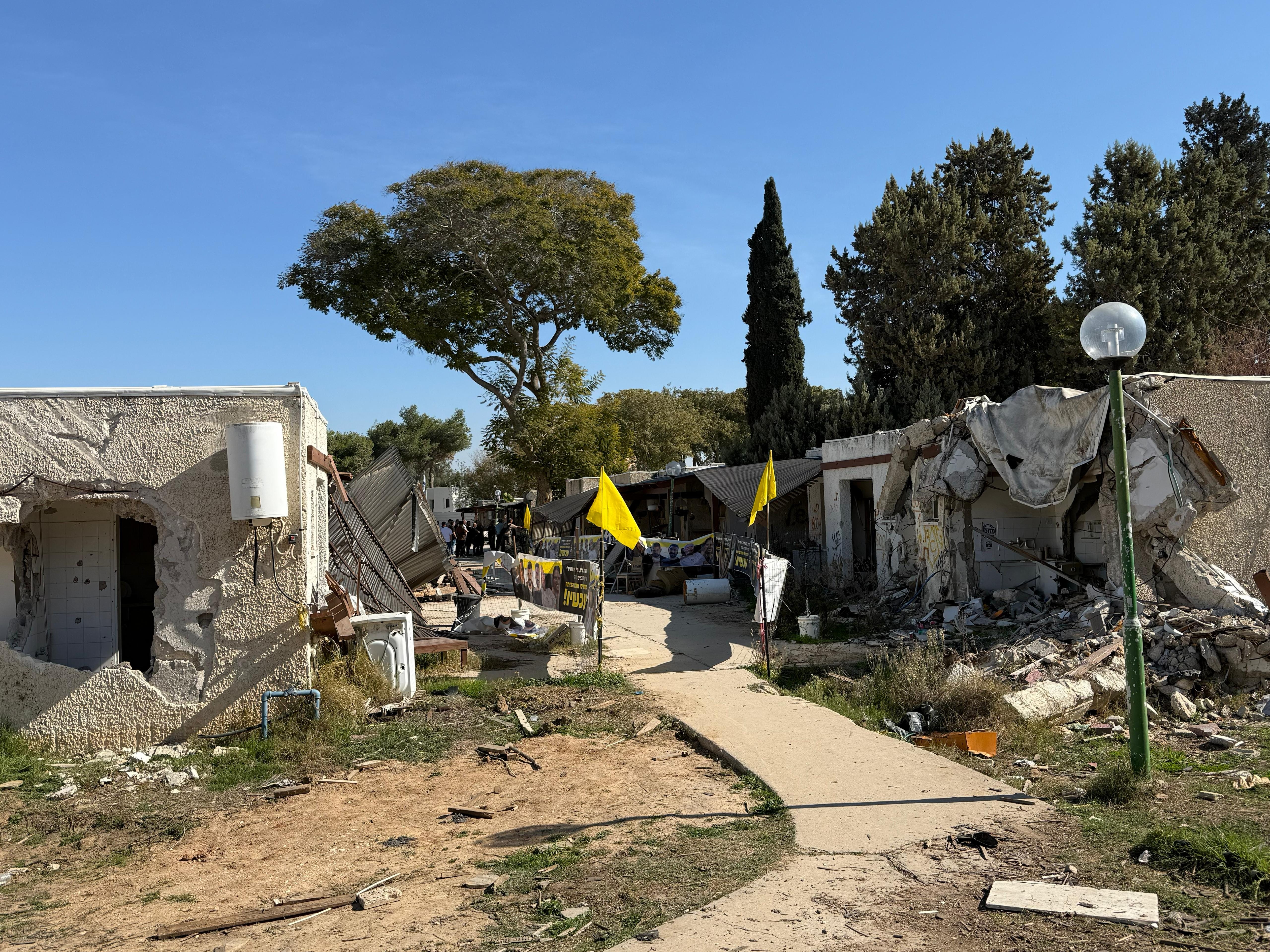
The guide was called Chen and she had been a resident of the Israeli kibbutz of Kfar Aza all her life. Her parents helped establish and develop it over the years, building it up to a community of nearly 800 people residing mere miles from Gaza. Chen didn’t like sleeping alone so on the weekend of October 6, 2023, she traveled north to Rishon LeZion to stay with friends also originally from the kibbutz. Her 83-year-old mother stayed home alone.
“My ex-husband was shot and killed at this spot,” Chen said, looking at the tree. “They identified him by his tattoo and our children all have the same one in his memory.”
The group remained silent. As we absorbed what she told us, another guide walked over to her to say hello. They embraced with a hug and a soft kiss on the cheek before moving on.
“That is my cousin,” Chen explained. “He lost his nephew on October 7.”
64 people from Kfar Aza would die that day - 13 of them children. It was one of the kibbutzim most hit by Hamas when they invaded Israel and murdered and kidnapped its innocent civilians. Chen’s mother would spend 30 hours alone…