


When I covered Israel’s first dedicated Physical AI conference for JNS in September, the discussion centred on taking intelligence out of screens and putting it into machines, and how Israel could subsequently build an industry around robots and autonomous systems.
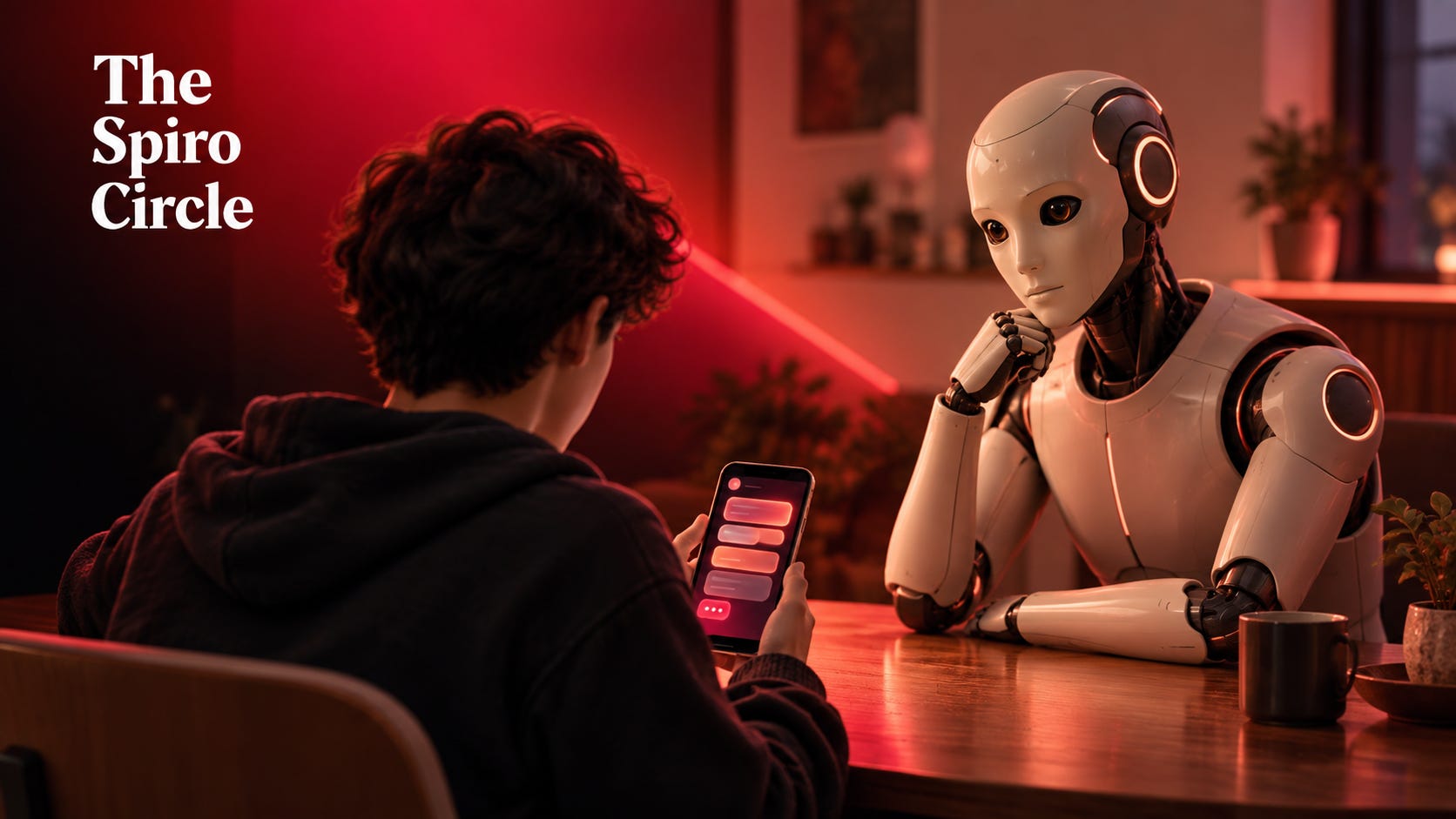
But while companies work on building these machines that house AI systems, young people are already discovering what it means to have relationships with them.
Some Israeli evidence offers a starting point. An Israel Internet Association survey, conducted by Geocartography in November 2025 among 502 Jewish teenagers aged 13–17, found the following:
55% reported using AI chatbots as a friend,
49% for emotional advice, and
18% as a romantic partner.
(These figures include rare use, not necessarily ongoing relationships, and the sample does not represent all Israeli teenagers.)
But looking across the Atlantic, Common Sense Media’s AI Use by Tweens and Teens census surveyed 1,204 American children aged 9–17. Among respondents who used or interacted with AI:
37% had used it to discuss feelings or personal problems. Among those,
25% agreed that they sometimes felt AI understood them better than most people did.
It does not mean a quarter of children prefer AI to people. It suggests that some young people who already discuss personal concerns with machines experience something resembling understanding.
When I heard how Israel wanted to transform Startup Nation into an “Edge-Up Nation,” few were asking what it means that the next generation of users already talks to machines like friends.
Confiding isn’t trusting
